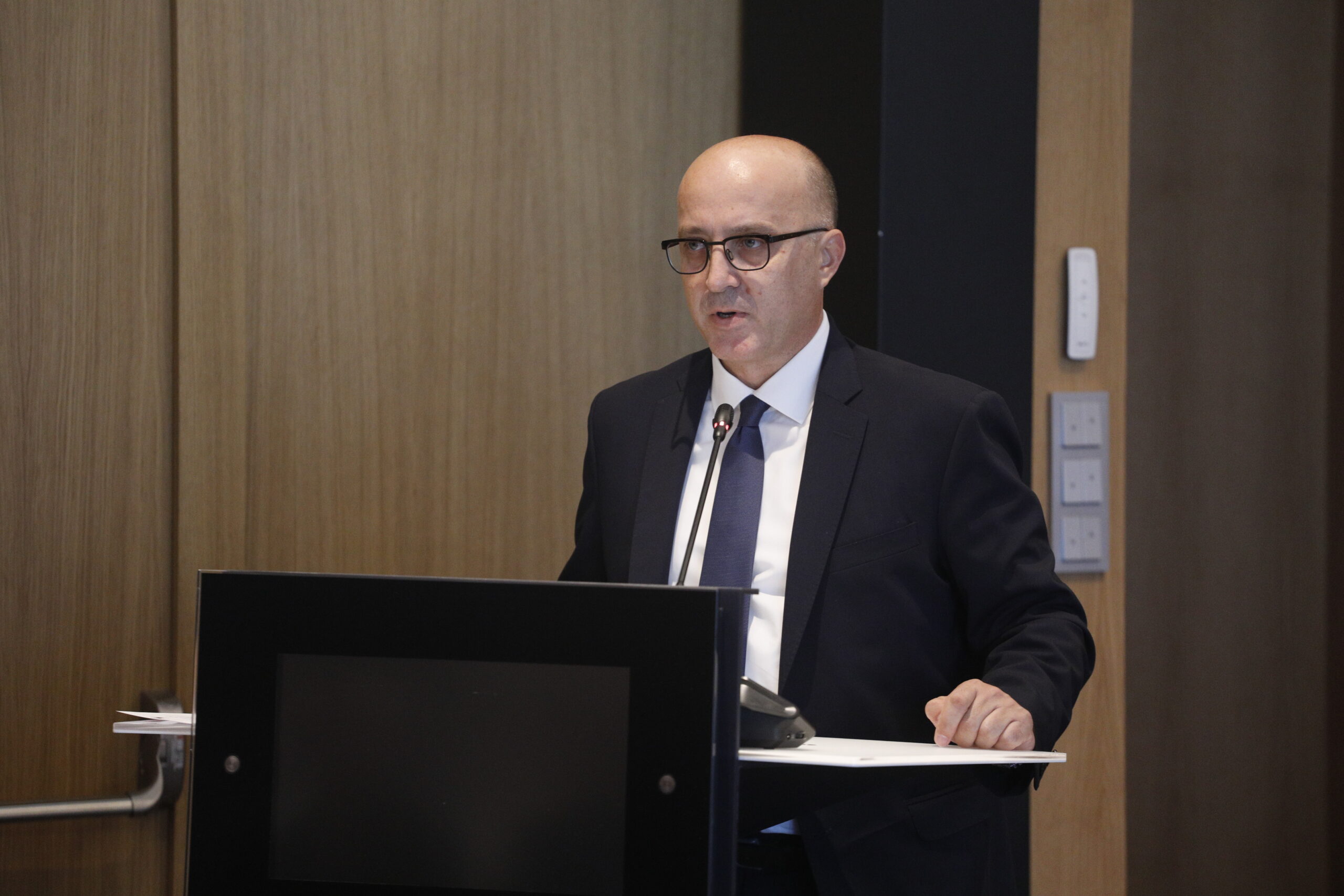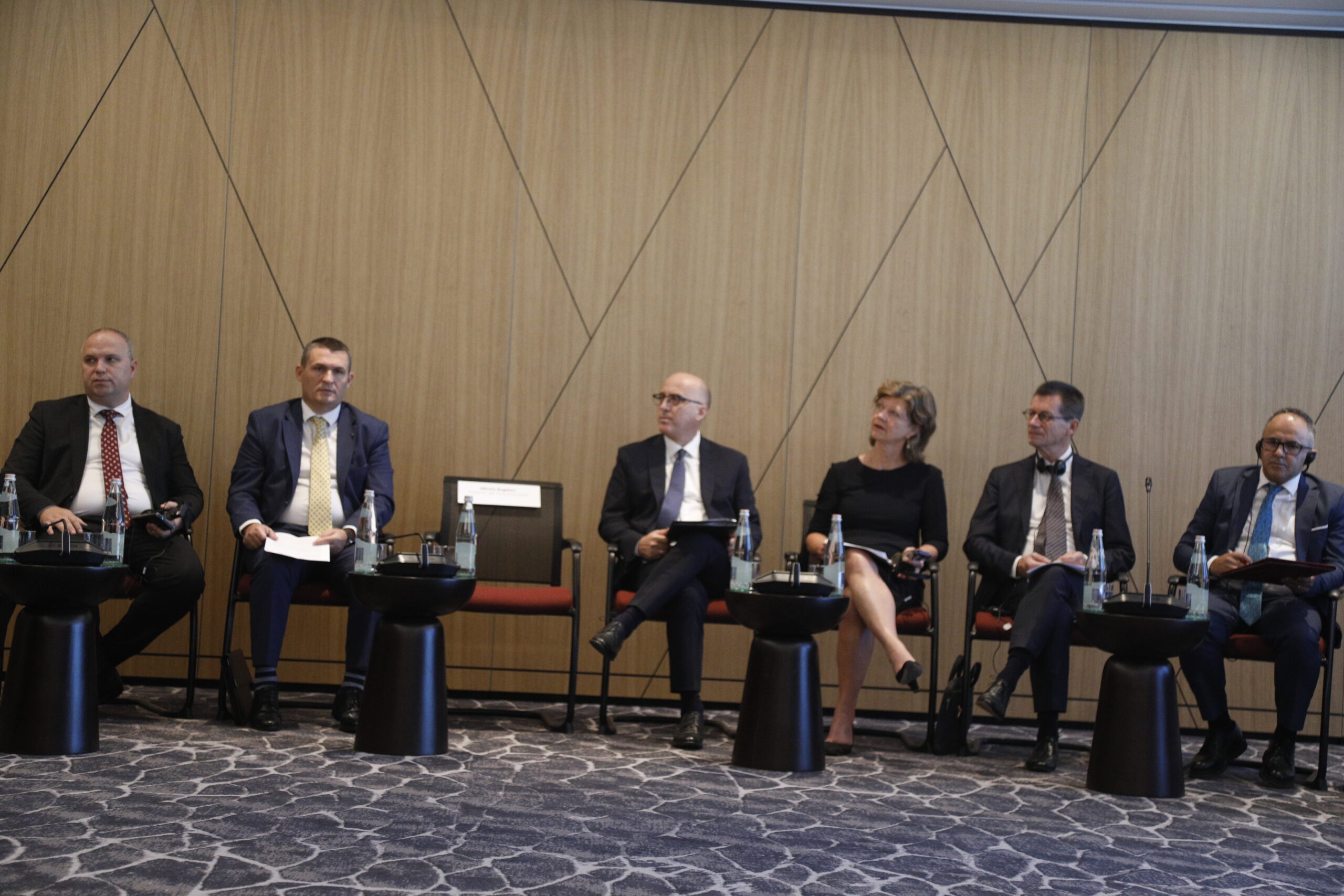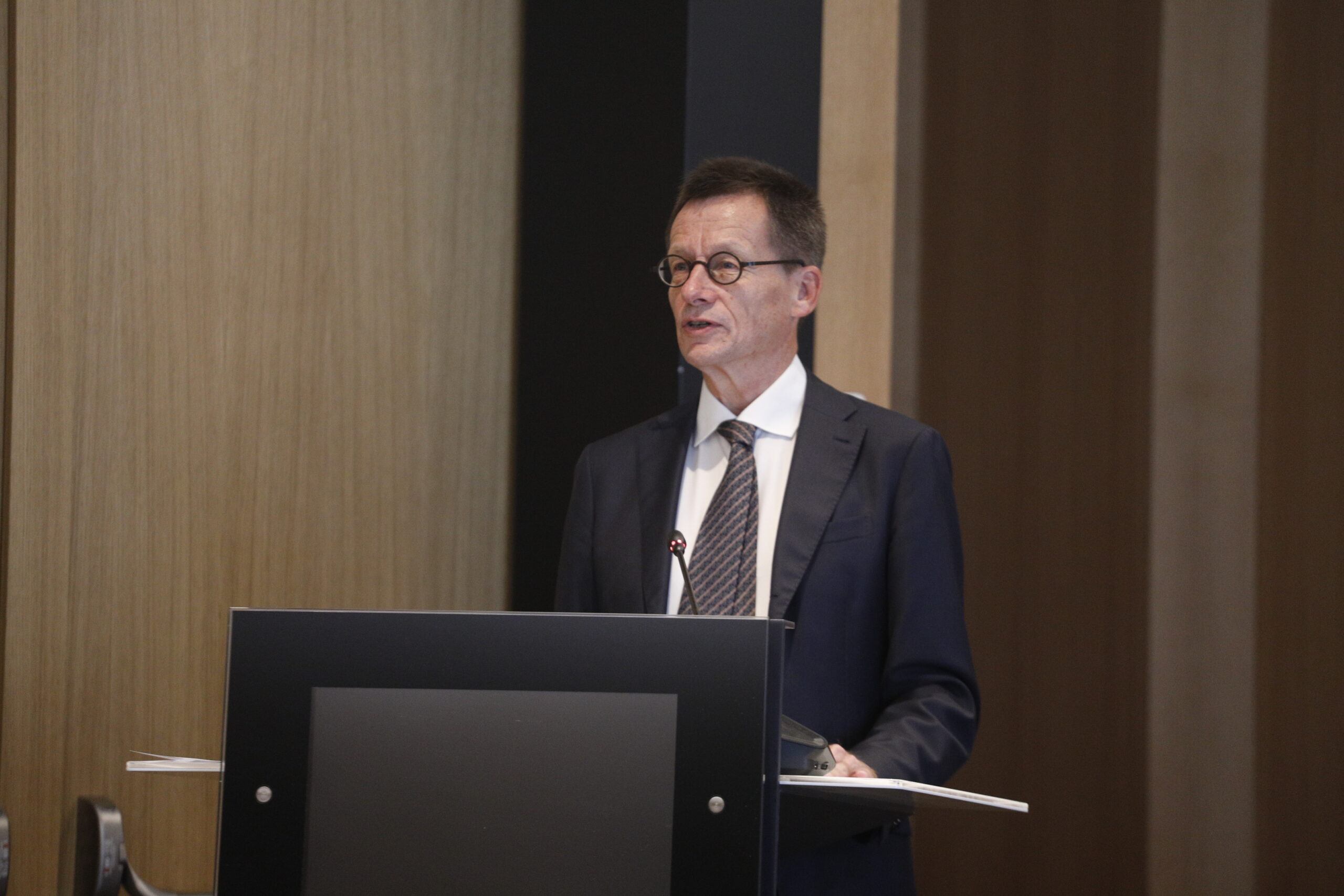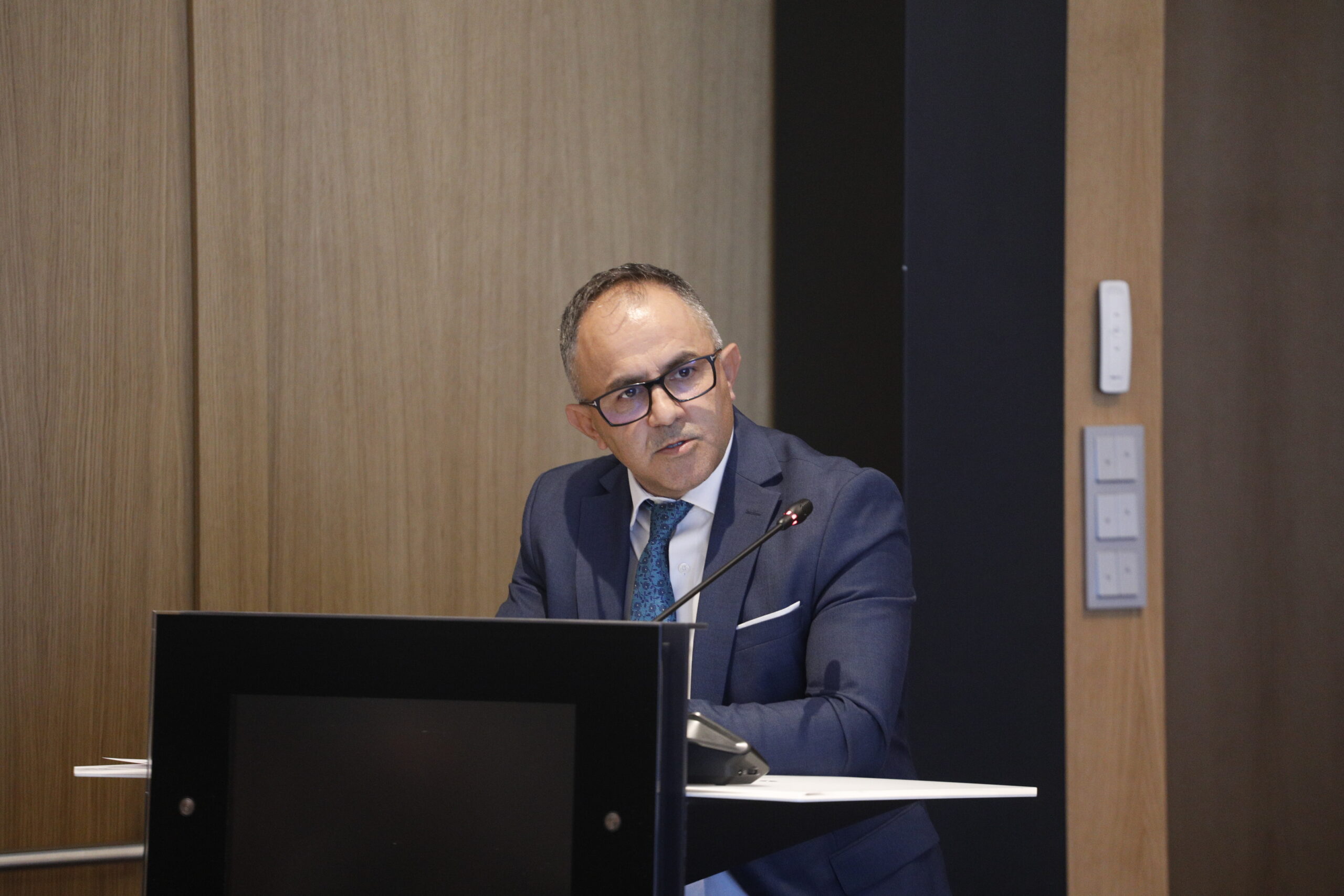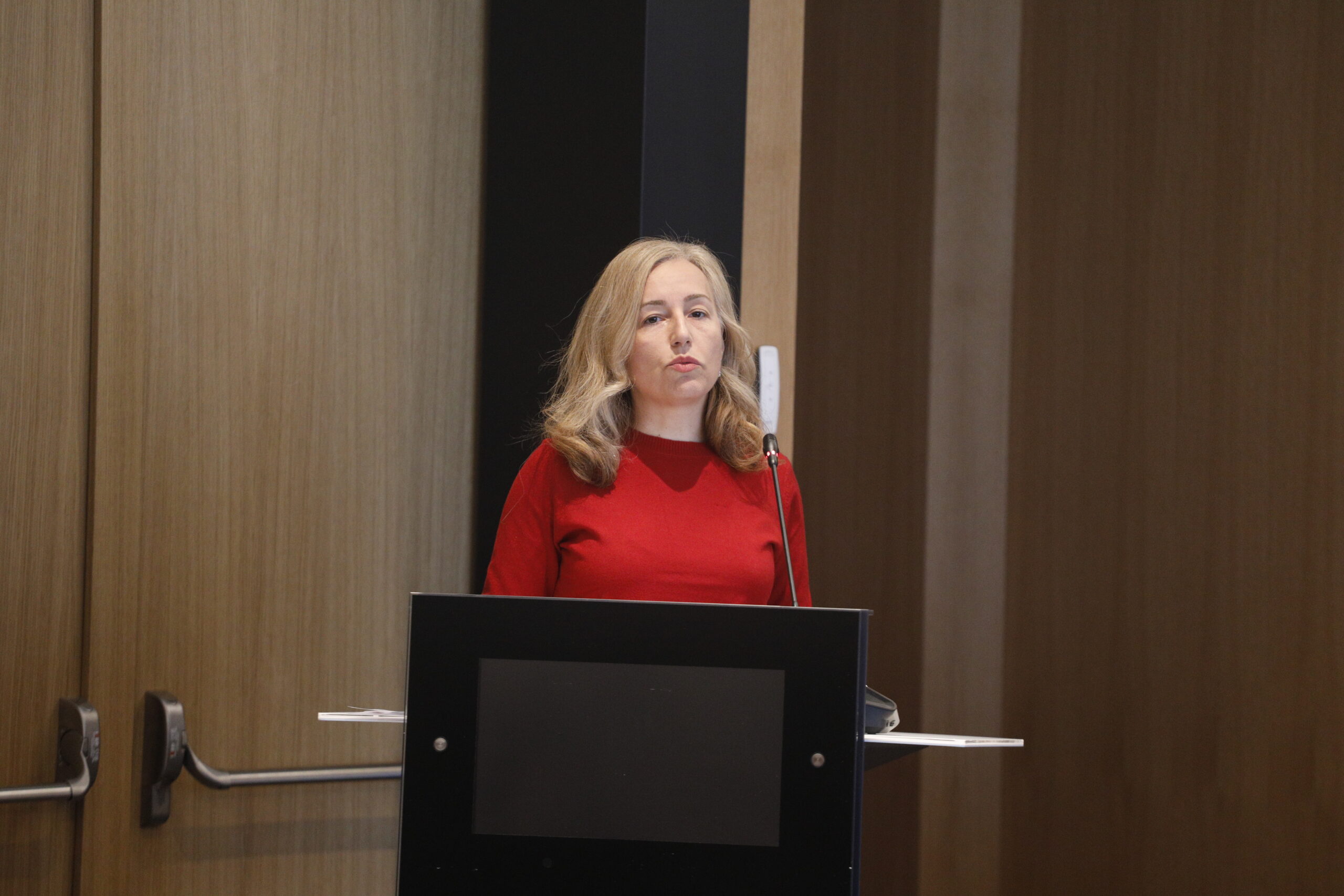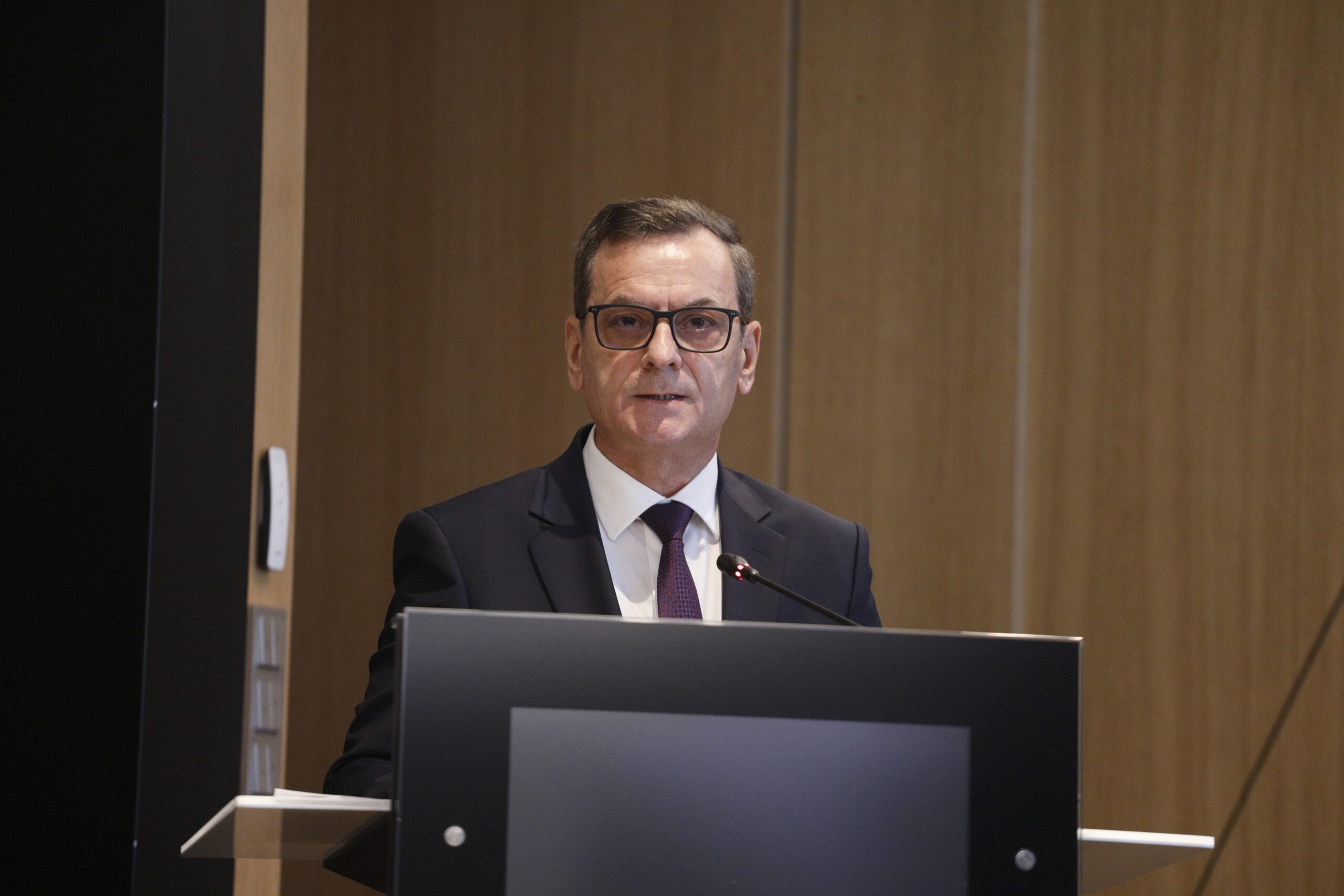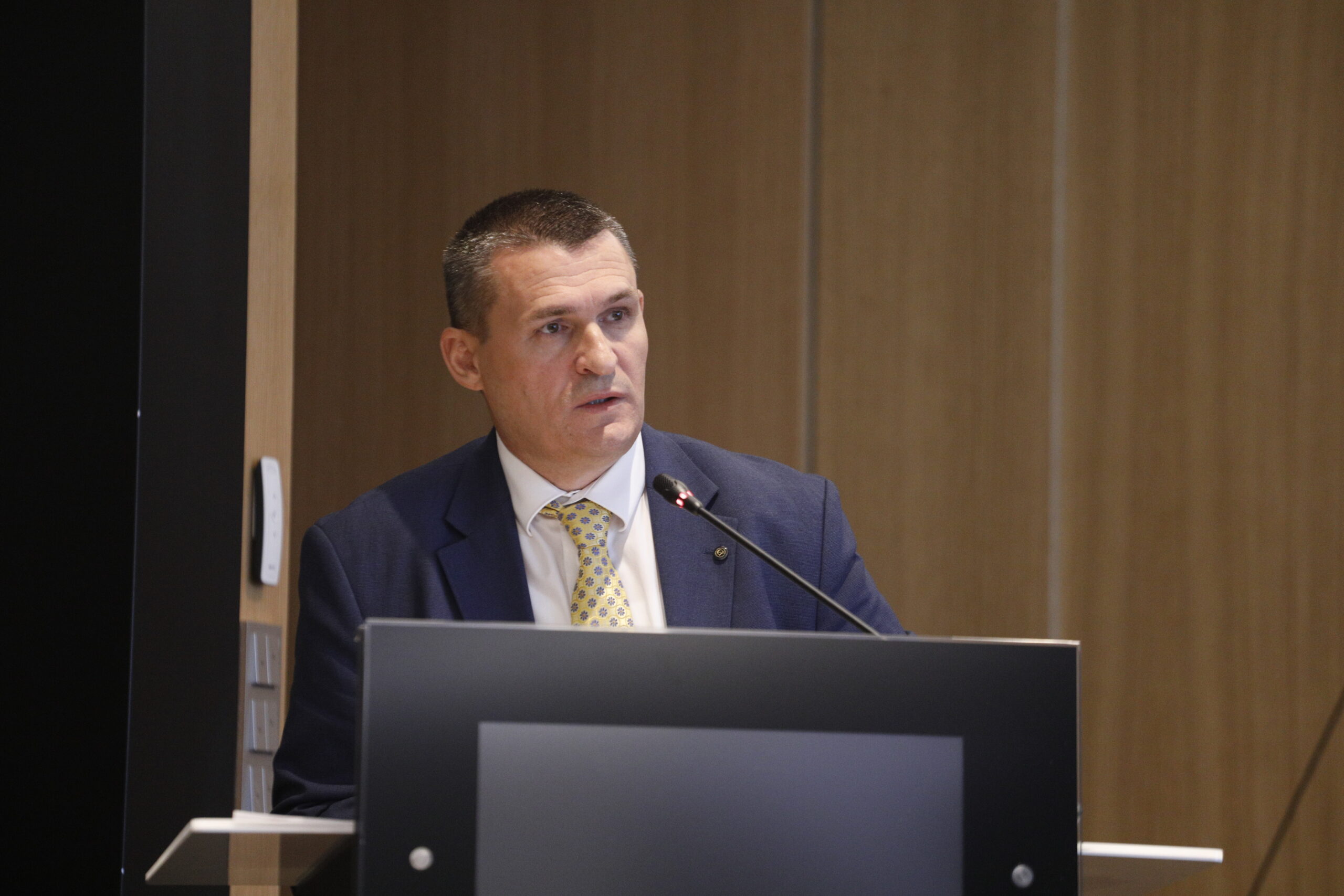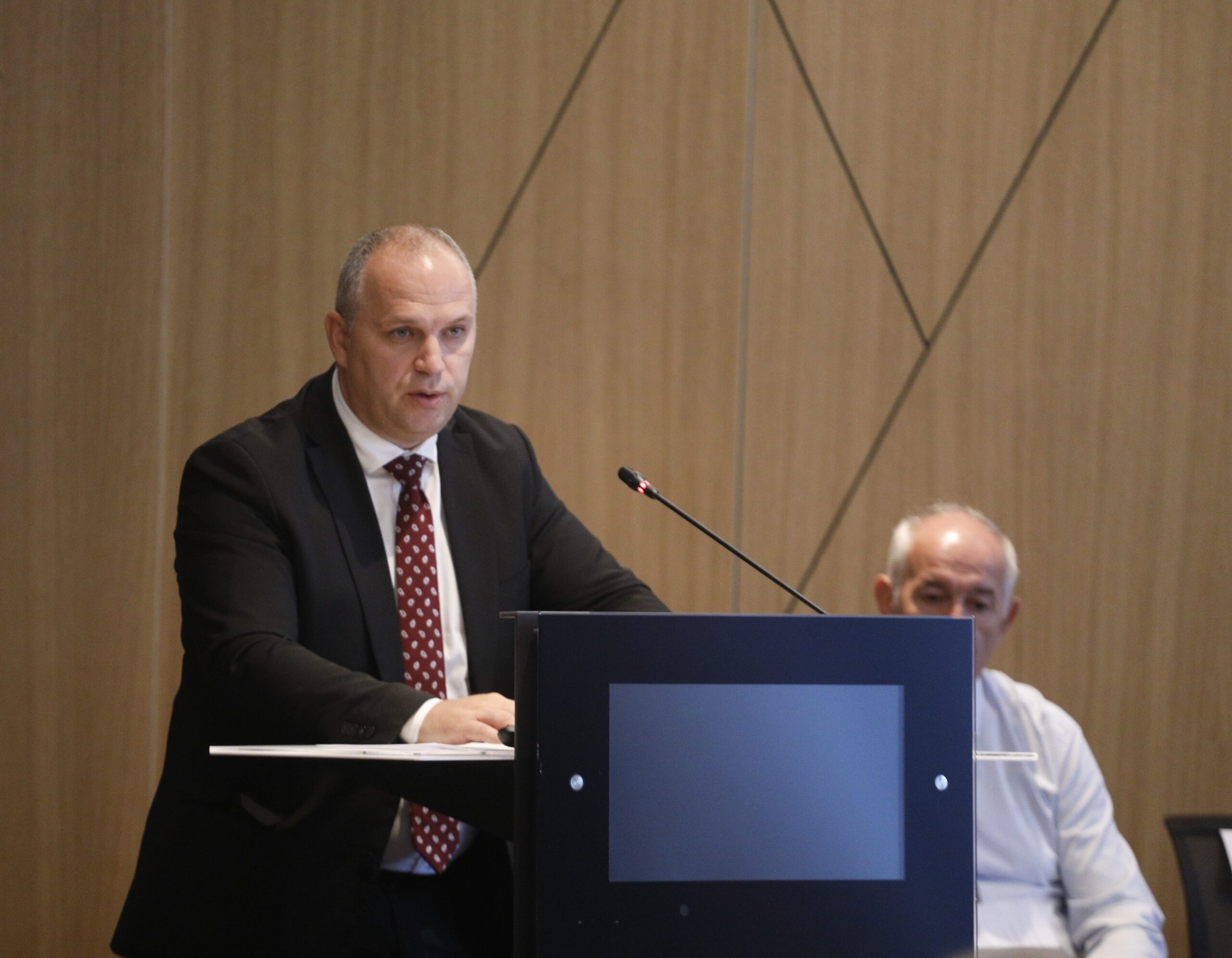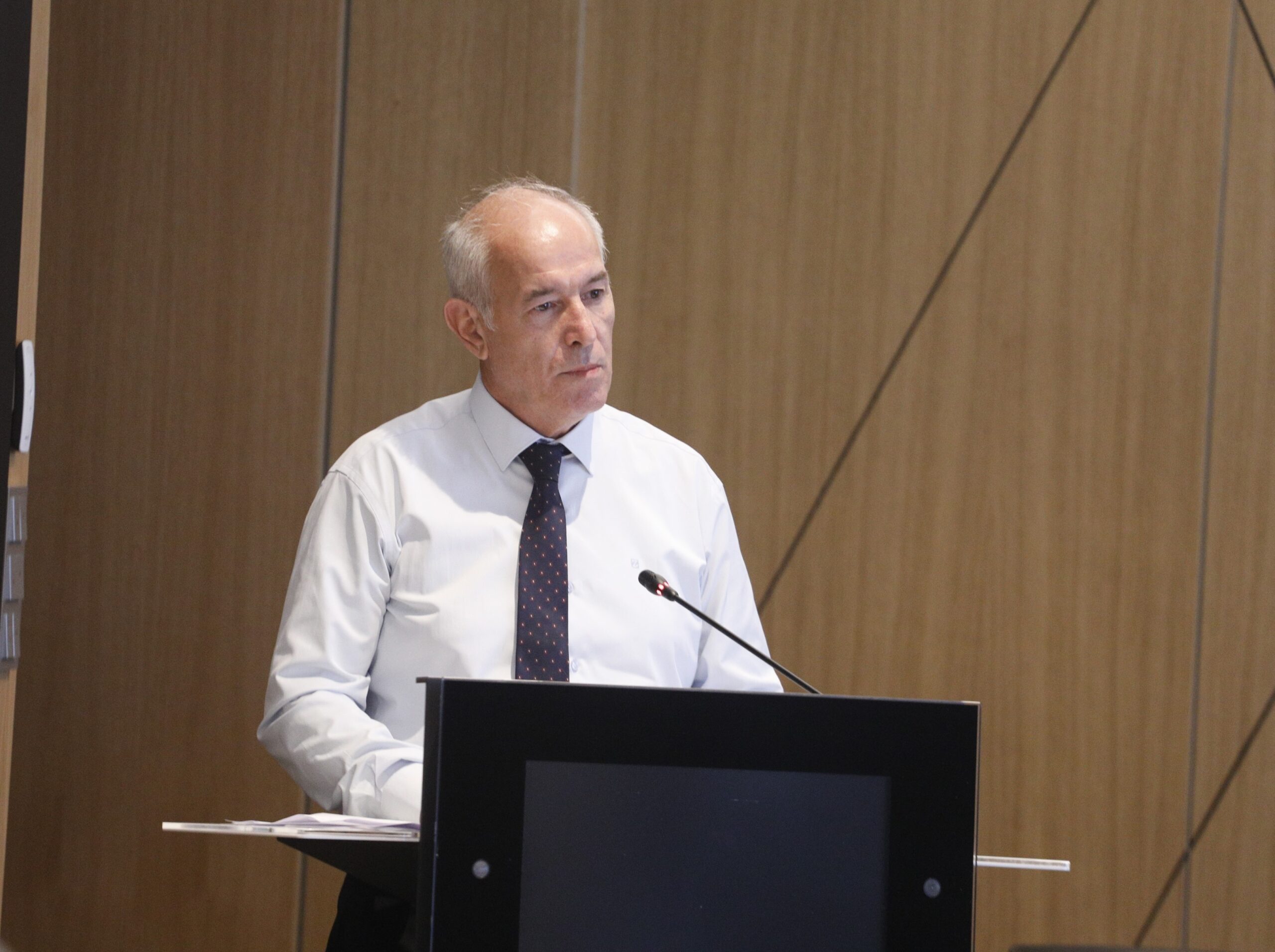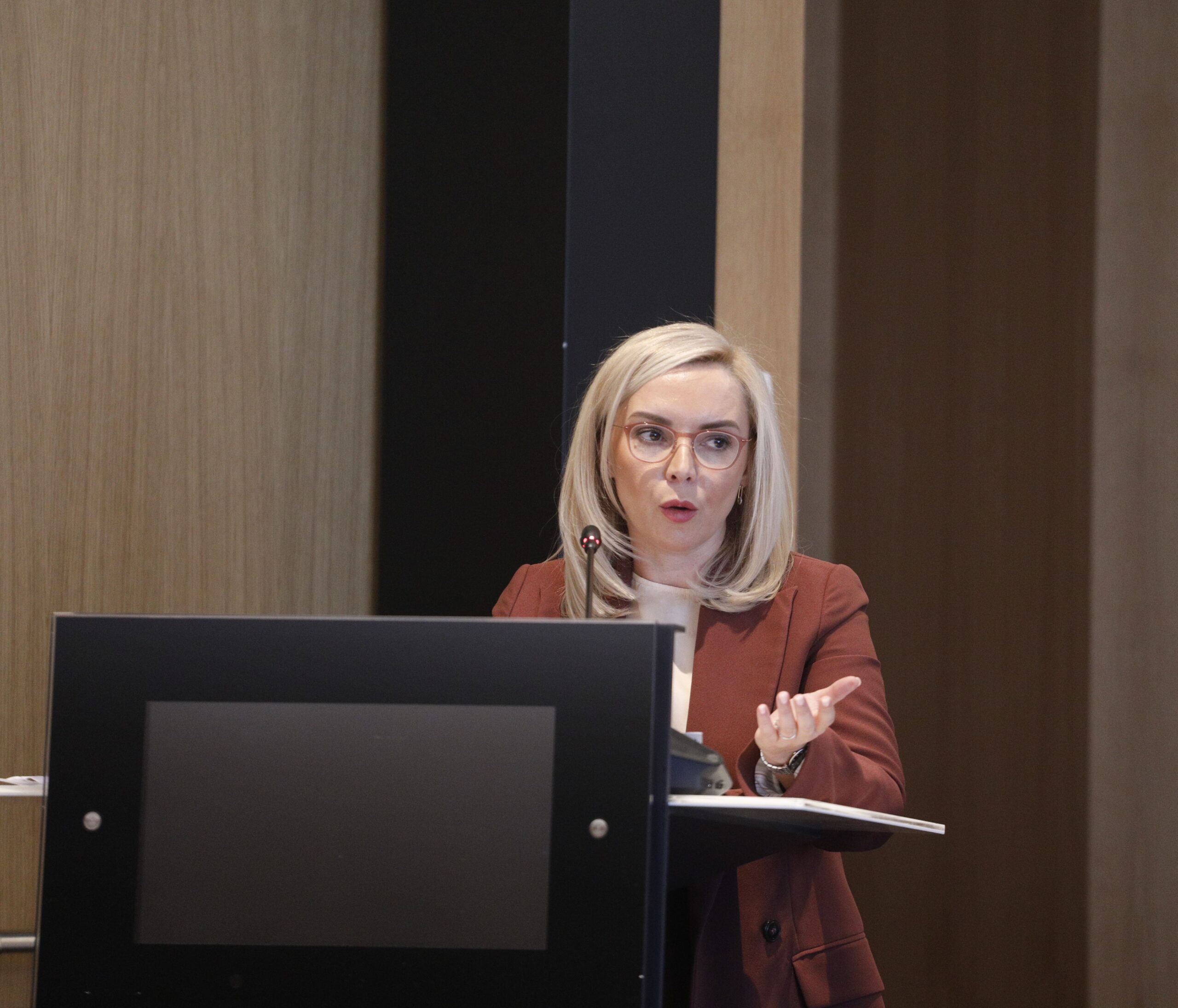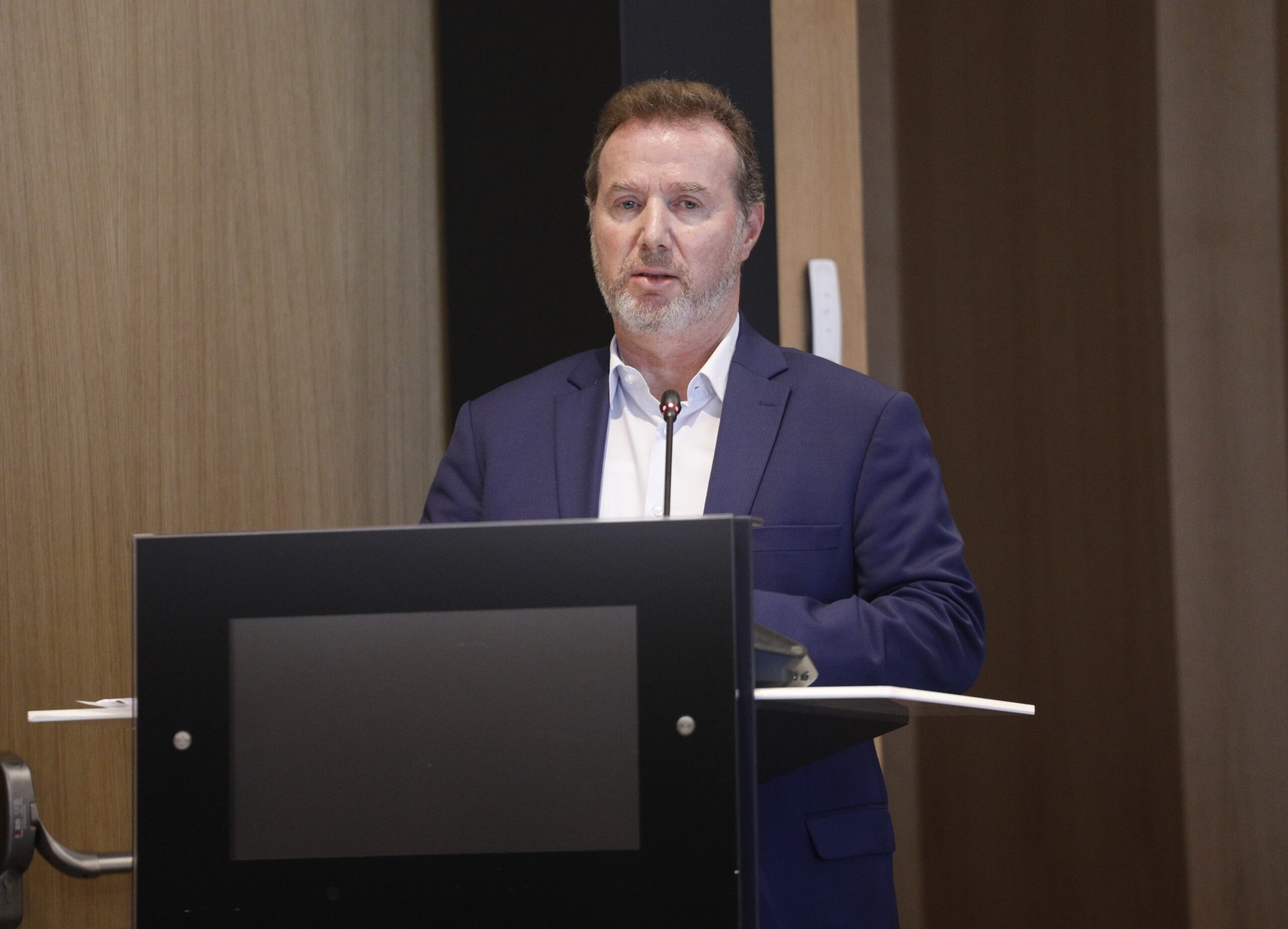
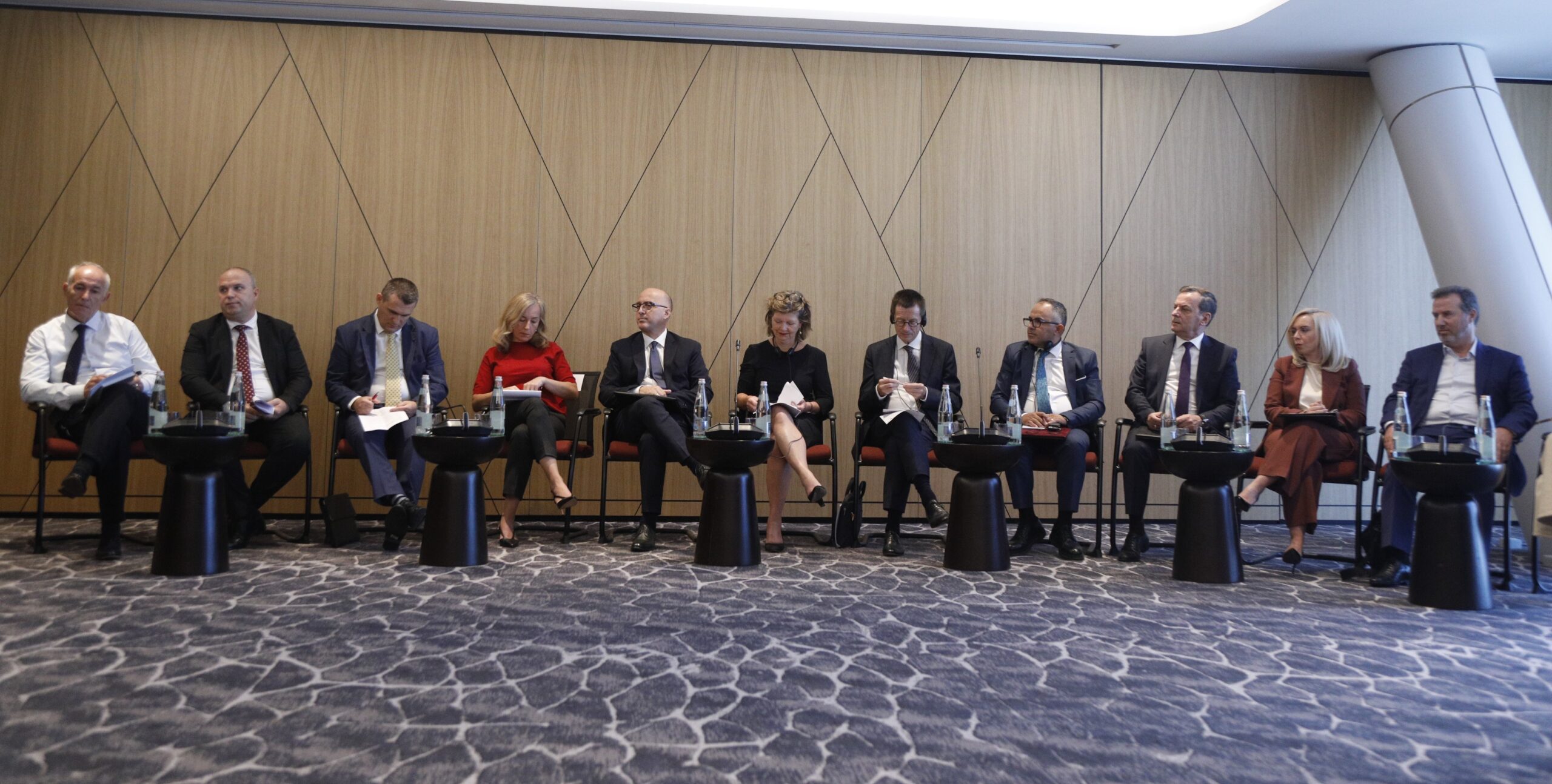
The High Inspector of Justice, Mr. Artur Metani, participated in the high-level meeting with justice institutions on judicial independence and accountability, organized by the MATRA project of the Government of the Kingdom of the Netherlands, on launching the two-year project “Strengthening Judicial Integrity”, implemented by the Netherlands Judicial Training and Study Center.
In his address, the High Inspector of Justice stated that when speaking about independence, one must first make the distinction between the independence of magistrates in their decision-making on concrete cases, and the independence of the judiciary in the context of its organization and functioning from a structural and systemic perspective. “Both of these concepts are essential for an independent judiciary. The individual independence of magistrates should be understood as a personal value and a prerequisite for the development of a lawful and fair judicial process. In this regard, individual independence should be understood as a right of magistrates, but also as their duty, to make decisions objectively, independently from politics but not only from politics; independent for and from everyone, free from any interference or influence, and in accordance with the facts as well as with the legislation in force.”
Mr. Metani also addressed the effect of public criticism of judicial decision-making: “When criticism goes beyond the limits of a different assessment of a judicial decision, such interventions not only affect the way magistrates make decisions, but also undermine public trust in the institutions of judicial power. I believe this is the highest cost that the principle of separation and balance of powers in a democratic society seeks to counterbalance, precisely because of the irreplaceable role that the judiciary plays in such a society.
He underlined that, unlike other powers and institutions, magistrates and independent justice institutions bear a limitation inherent to their office, composure. “Composure should not be mistaken for weakness. Despite the statements of various public actors, magistrates must not forget that public reactions are not part of their function. But composure is! Composure is not a weakness of any kind, but respect for freedom of expression in democracy; it represents a constitutional distance from the political nature of other powers. The political deontology must not dictate the behavior of magistrates. In this case, I believe that the essence of the rule of law and European values is exactly the way we react, is what we do even when we do not agree with the decisions of each other.”
Speaking of accountability standards, Mr. Metani listed the measures provided by law as preventive mechanisms and the additional mechanisms for judges and prosecutors, with the purpose of further guaranteeing a professional and integrity-based judicial system, as well as the oversight function of the HIJ: “The quality of a justice system is not measured by its ability to punish or sanction magistrates, but by the opportunities, mechanisms and capacity to prevent behaviors contrary to the law or ethical rules.”
As a common denominator of all institutional efforts, the High Inspector of Justice emphasized public trust in the judiciary: “Without ever losing sight, throughout our working day, of the conditions in which magistrates work; the heavy caseloads, the insufficient number of magistrates in the system, the increase in users of the judicial system, the fair and unfair expectations from the judicial system, I again believe that public trust in the judiciary is the most precious value of justice, but also its best protection. This value is not gained with rhetoric, but with concrete action and behavior. Our challenge, as institutions of the justice system, is precisely finding this fair balance, between the system of accountability and that of responsibility, which is at the same time the greatest challenge of any functional democracy.”
The activity was greeted by Ms. Asli Cetinel, Chargé d’Affaires of the Embassy of the Kingdom of the Netherlands in Albania, and Ms. Margreet Blaisse, Director of the Netherlands Judicial Training and Study Center, the implementing partner of the two-year project for the training of judges and prosecutors through the School of Magistrates and the inspectors of the Office of the High Inspector of Justice.
Judge Marc Fierstra, member of the Supreme Court of the Netherlands and President of the Dutch Judiciary Association, presented the Dutch experience regarding accountability and ethics in the judiciary.
On accountability, impartiality and integrity in the judiciary from the perspective of their respective institutions, interventions were delivered by: Mr. Ilir Rusi, Chairperson of the High Judicial Council; Ms. Mirela Bogdani, Chairperson of the High Prosecutorial Council; Mr. Sokol Sadushi, Chairperson of the Supreme Court; Mr. Altin Dumani, Head of the Special Anti-Corruption and Organized Crime Structure (SPAK); Mr. Erjon Bani, Acting Head of the Special Court of First Instance for Corruption and Organized Crime; Mr. Kosta Beluri, representative of the Prosecutor General’s Office; Ms. Evgjeni Bashari, Director of the High Inspectorate of Declaration and Audit of Assets and Conflict of Interest (HIDAACI); and Mr. Sokol Berberi, Head of Initial Training, School of Magistrates.