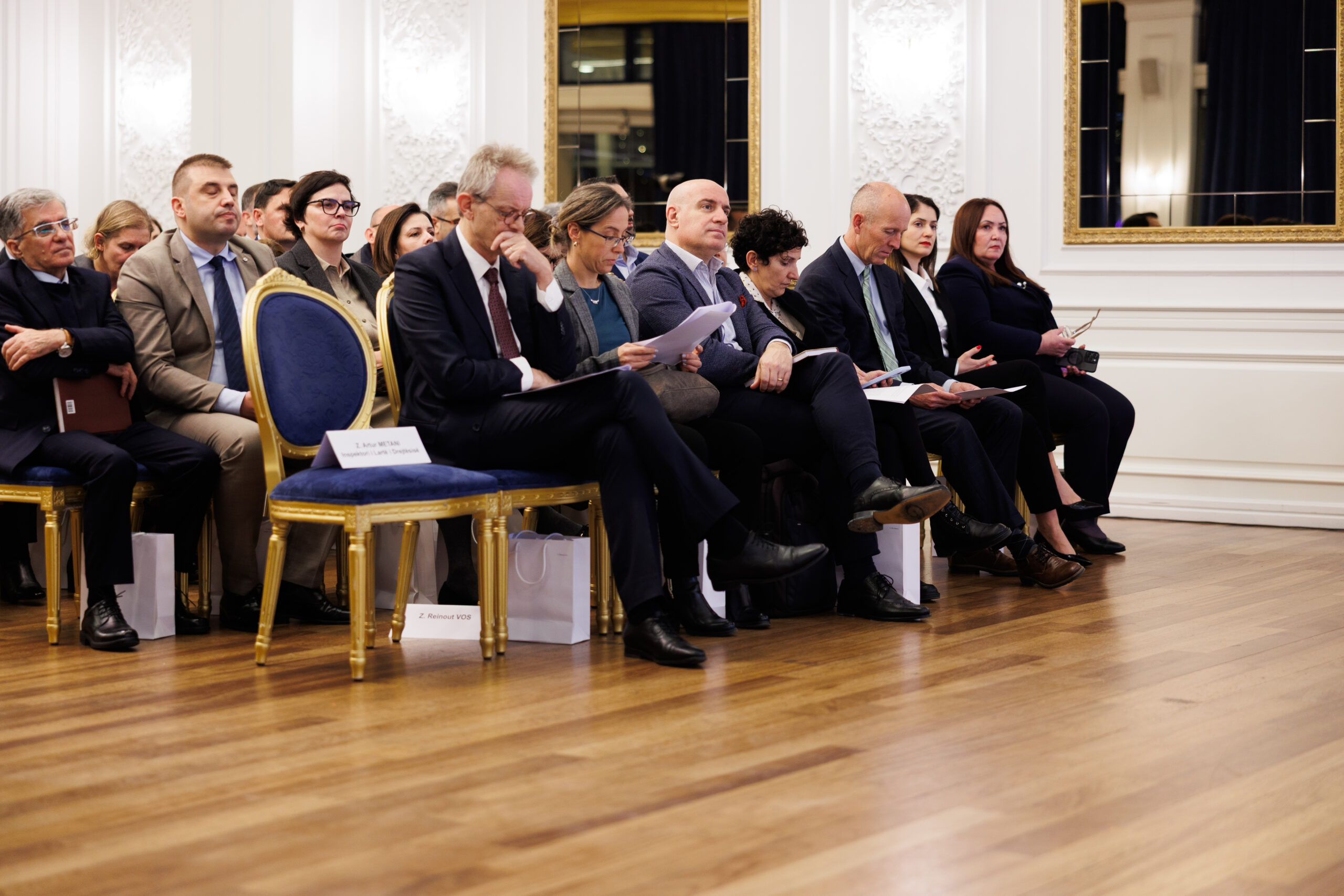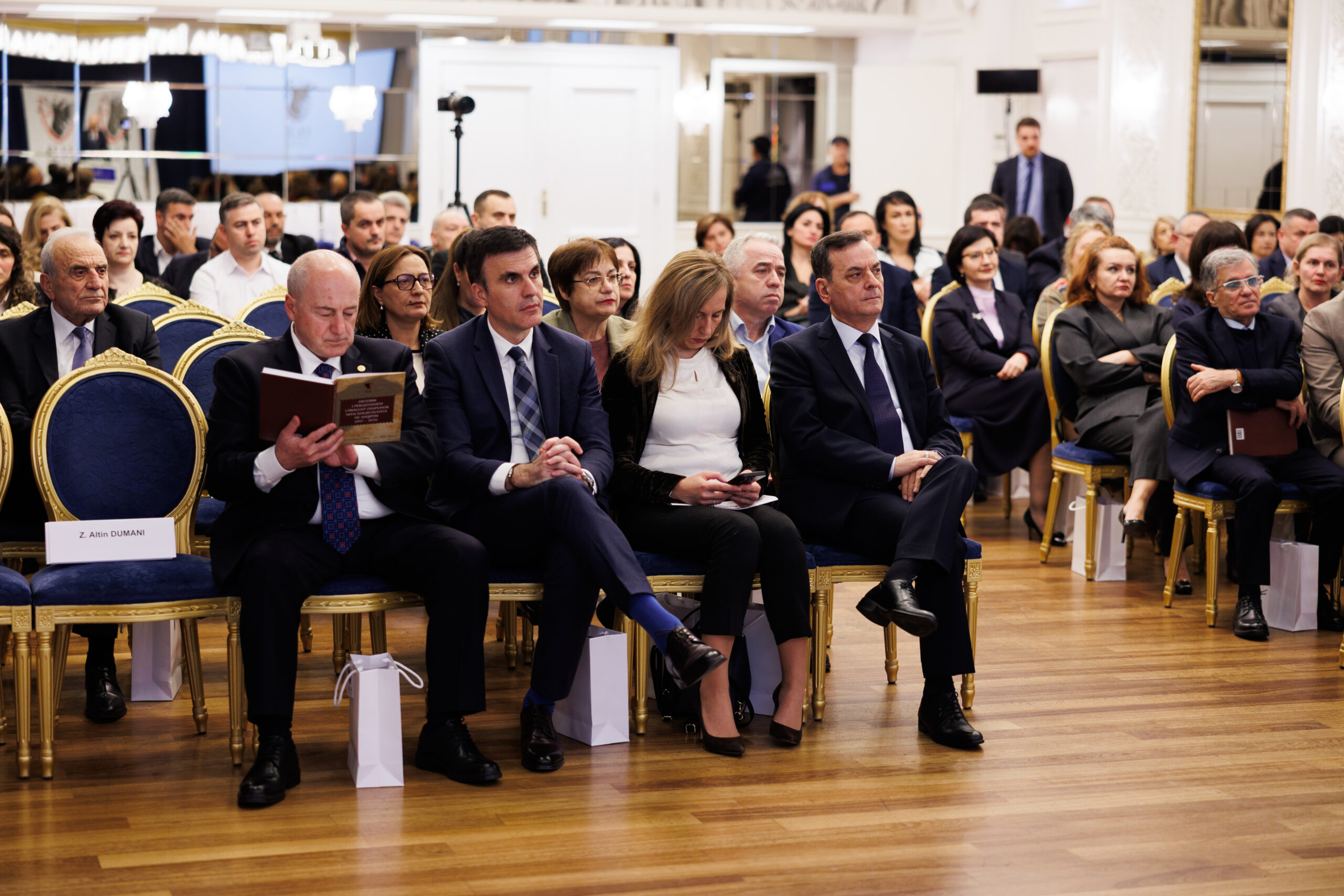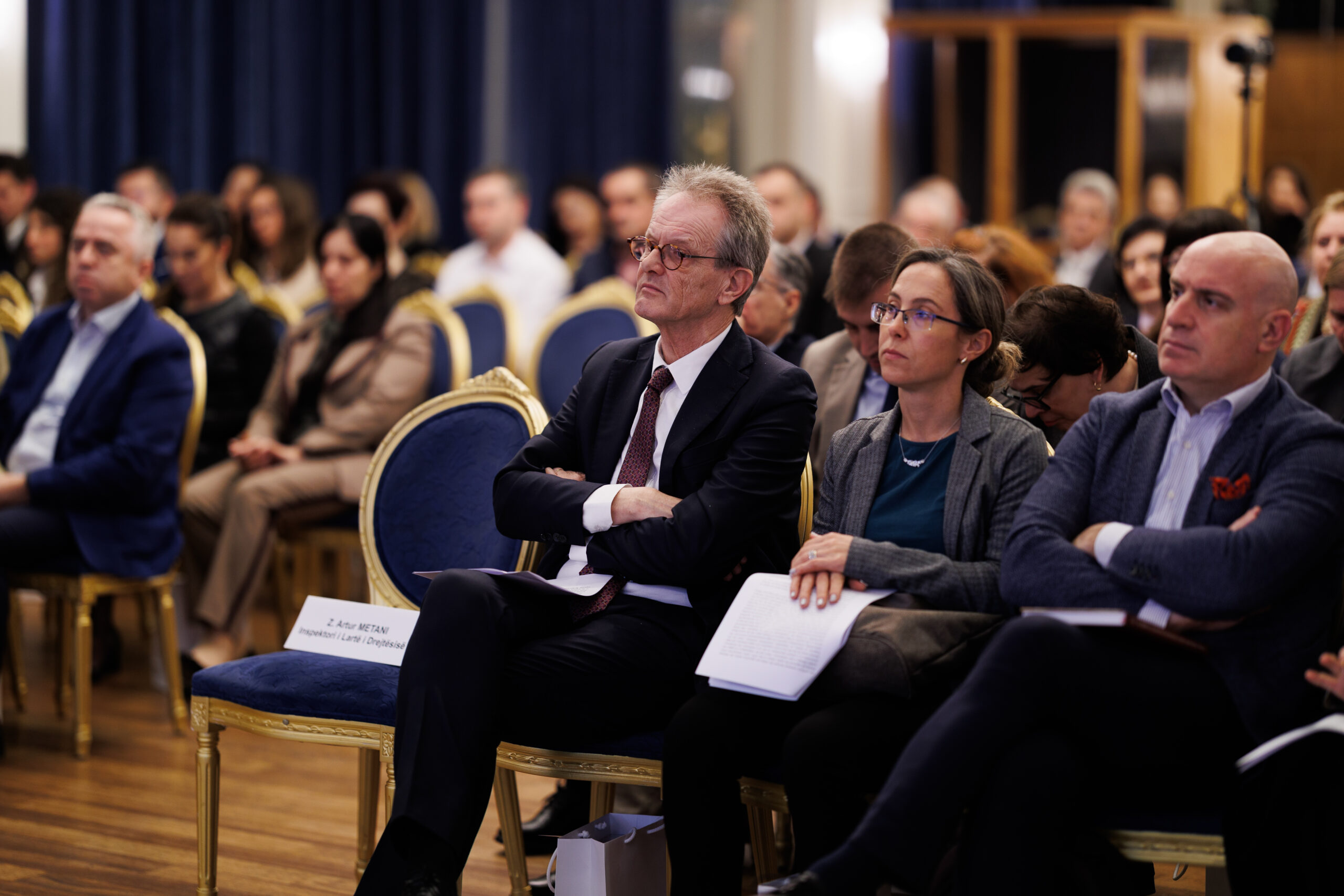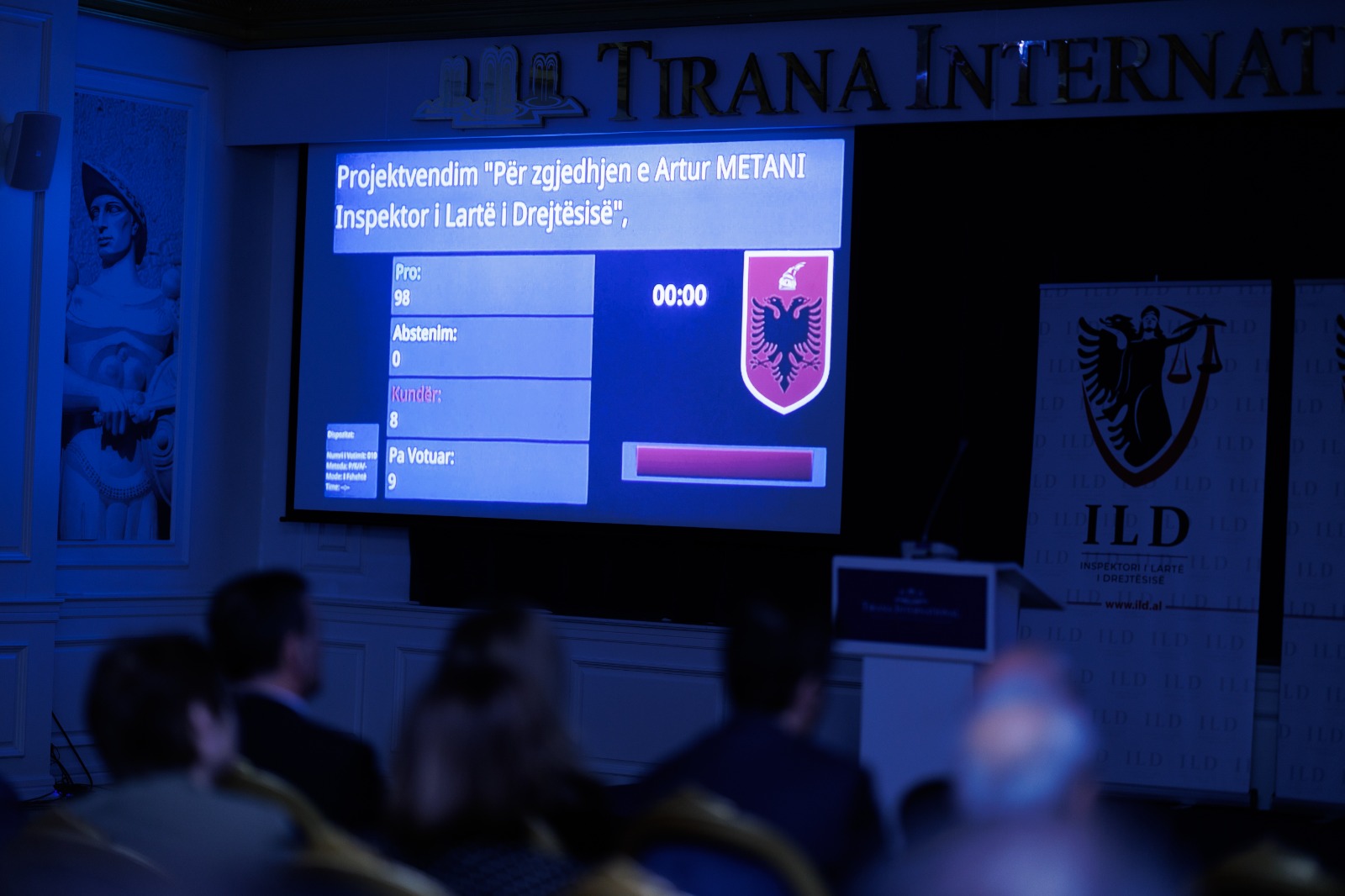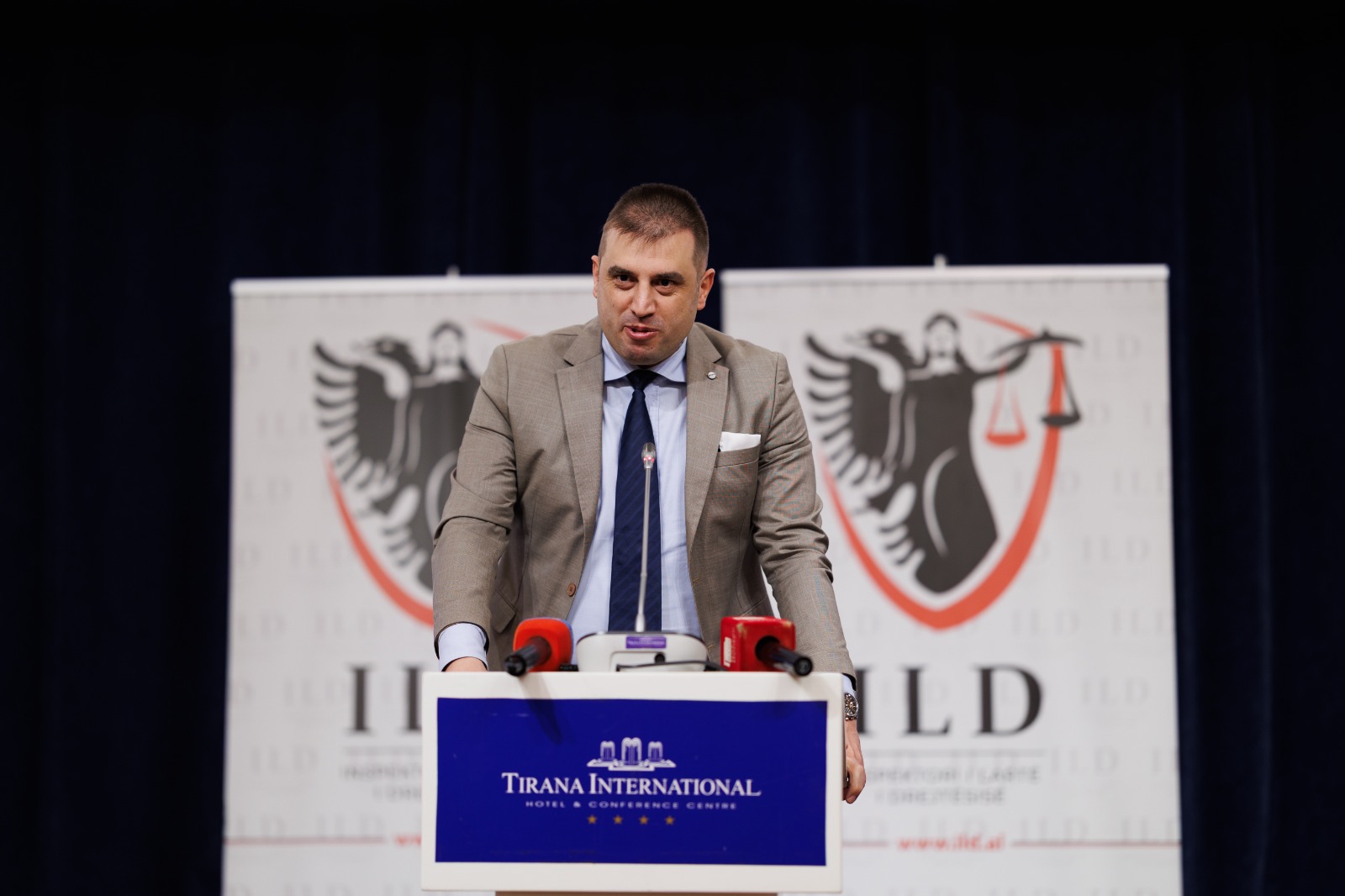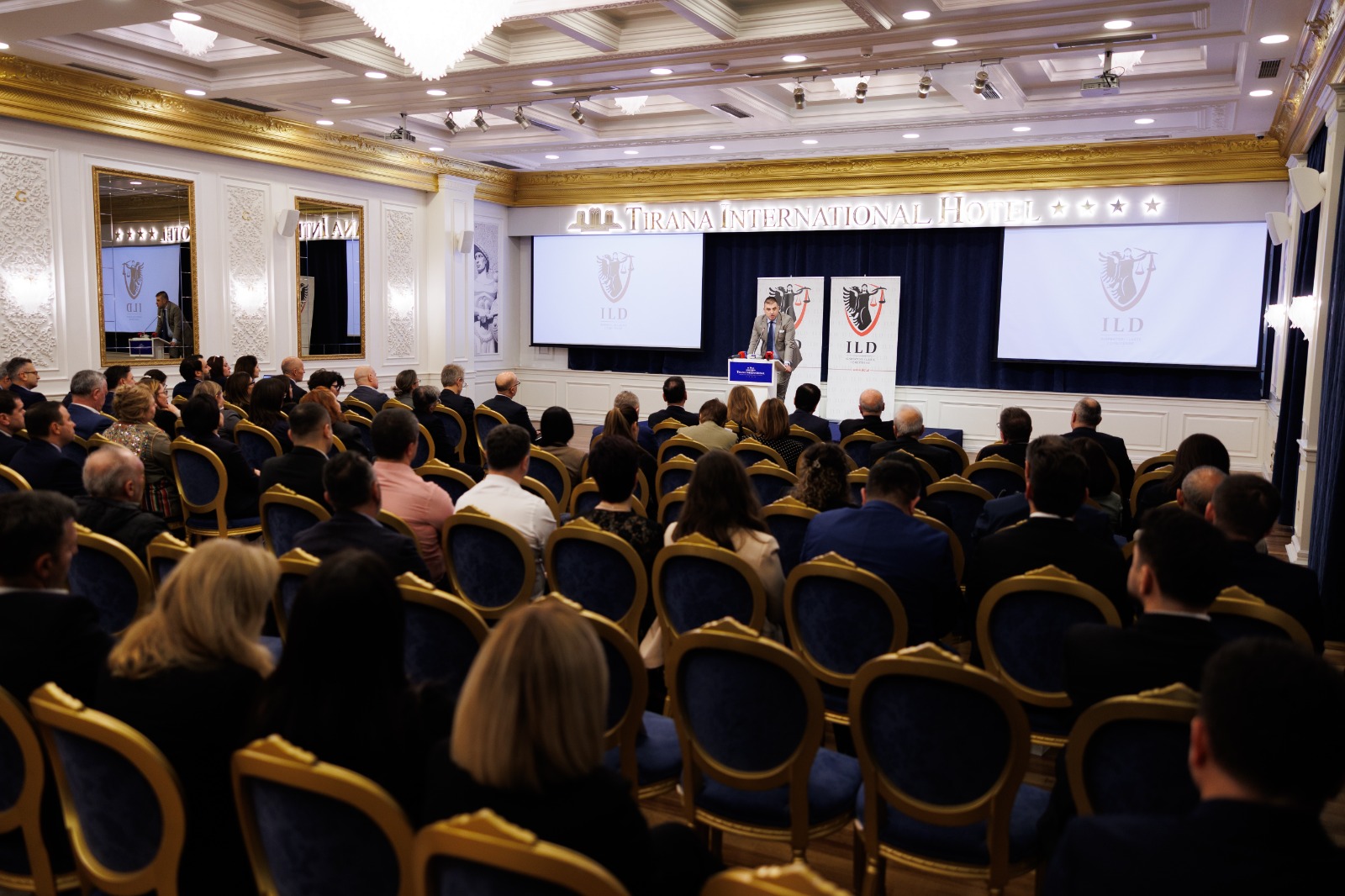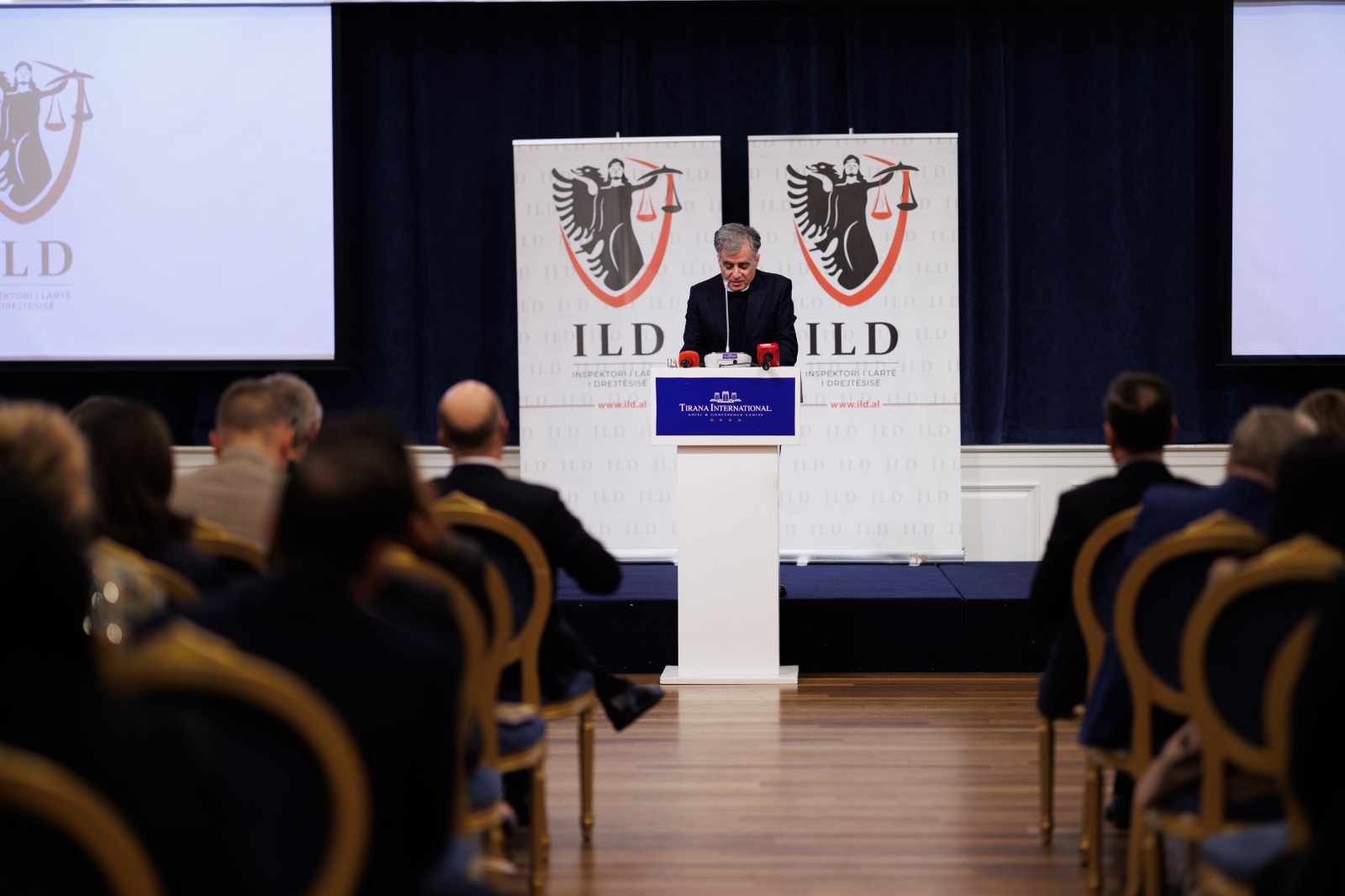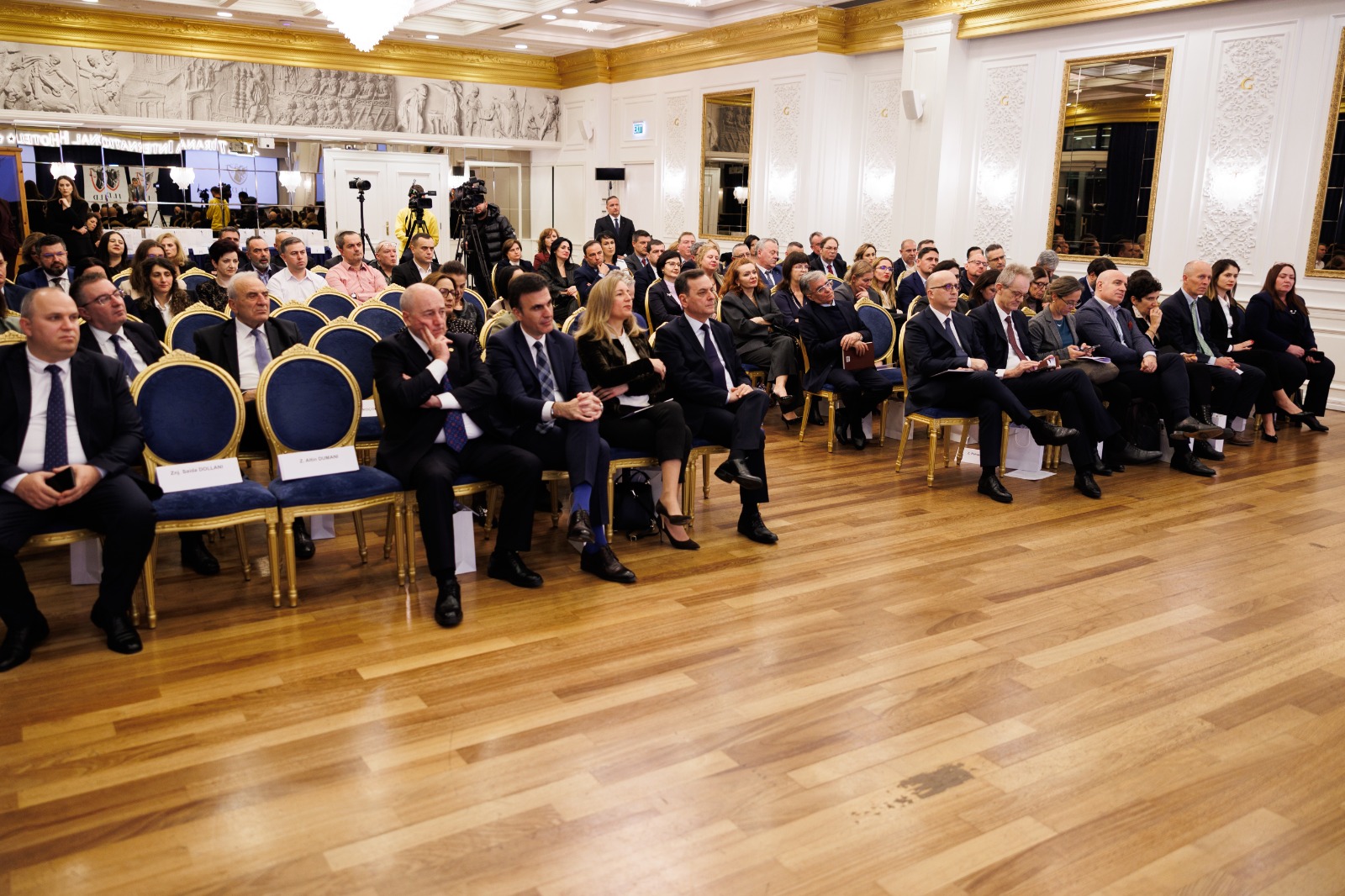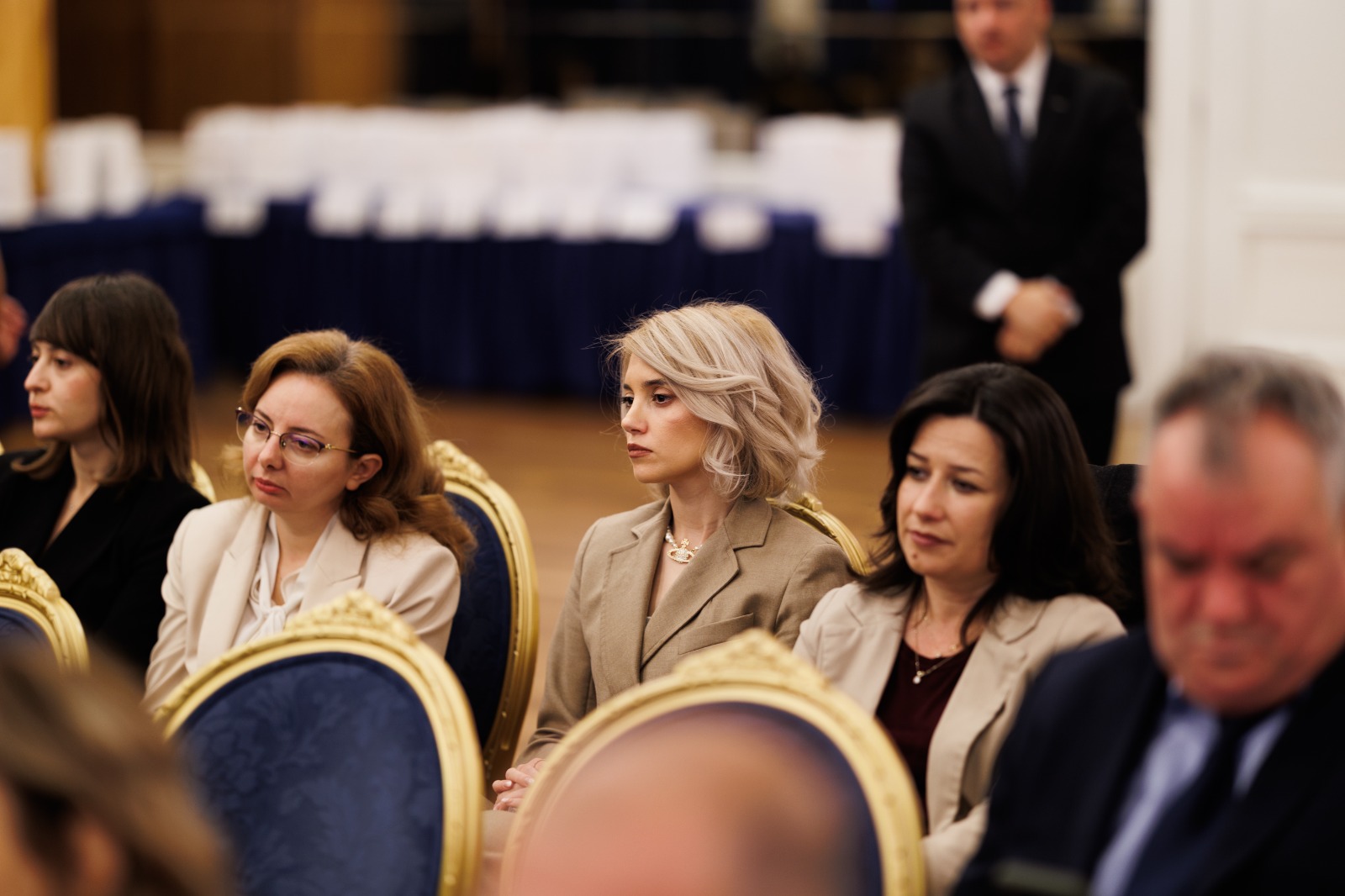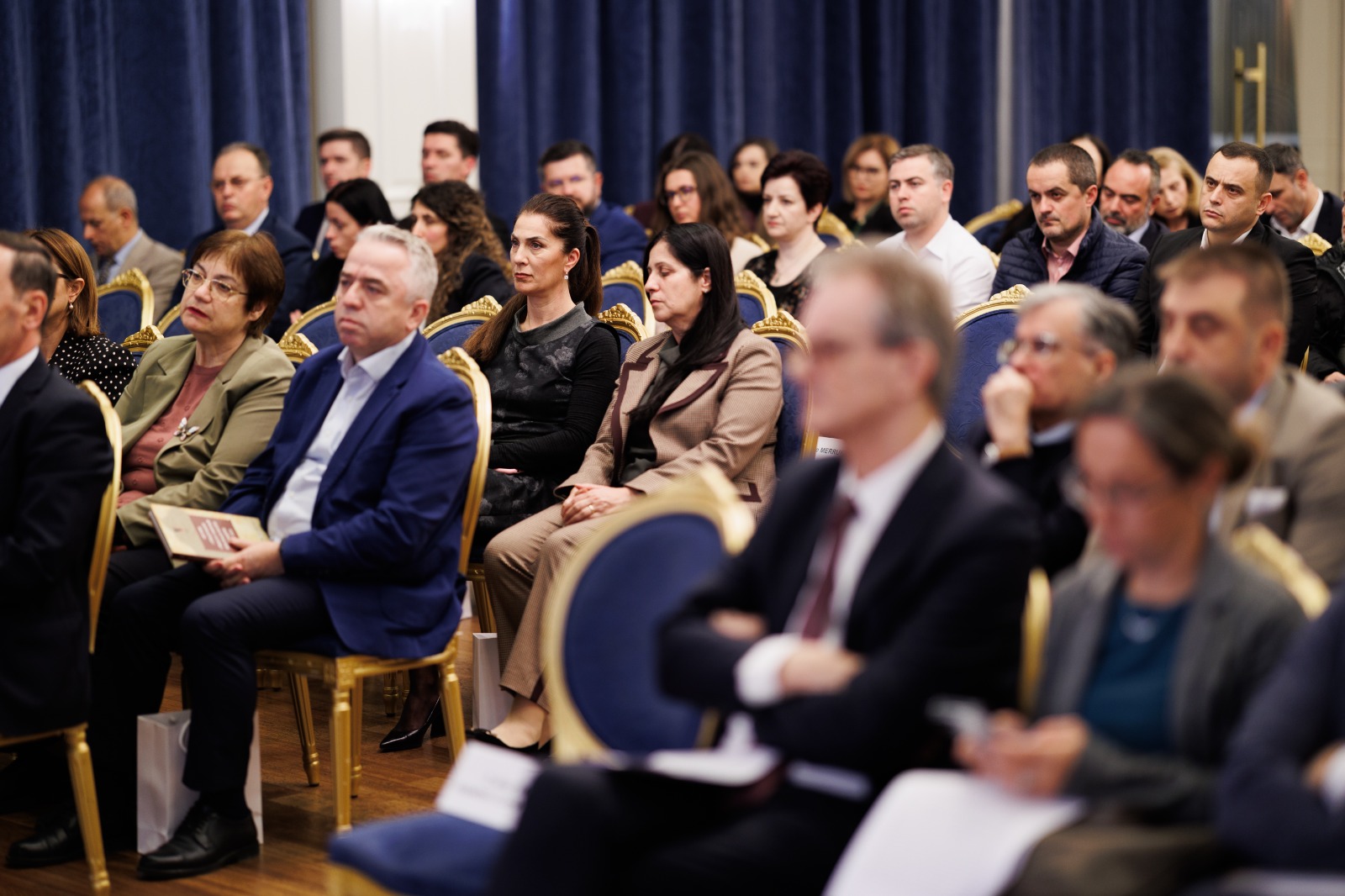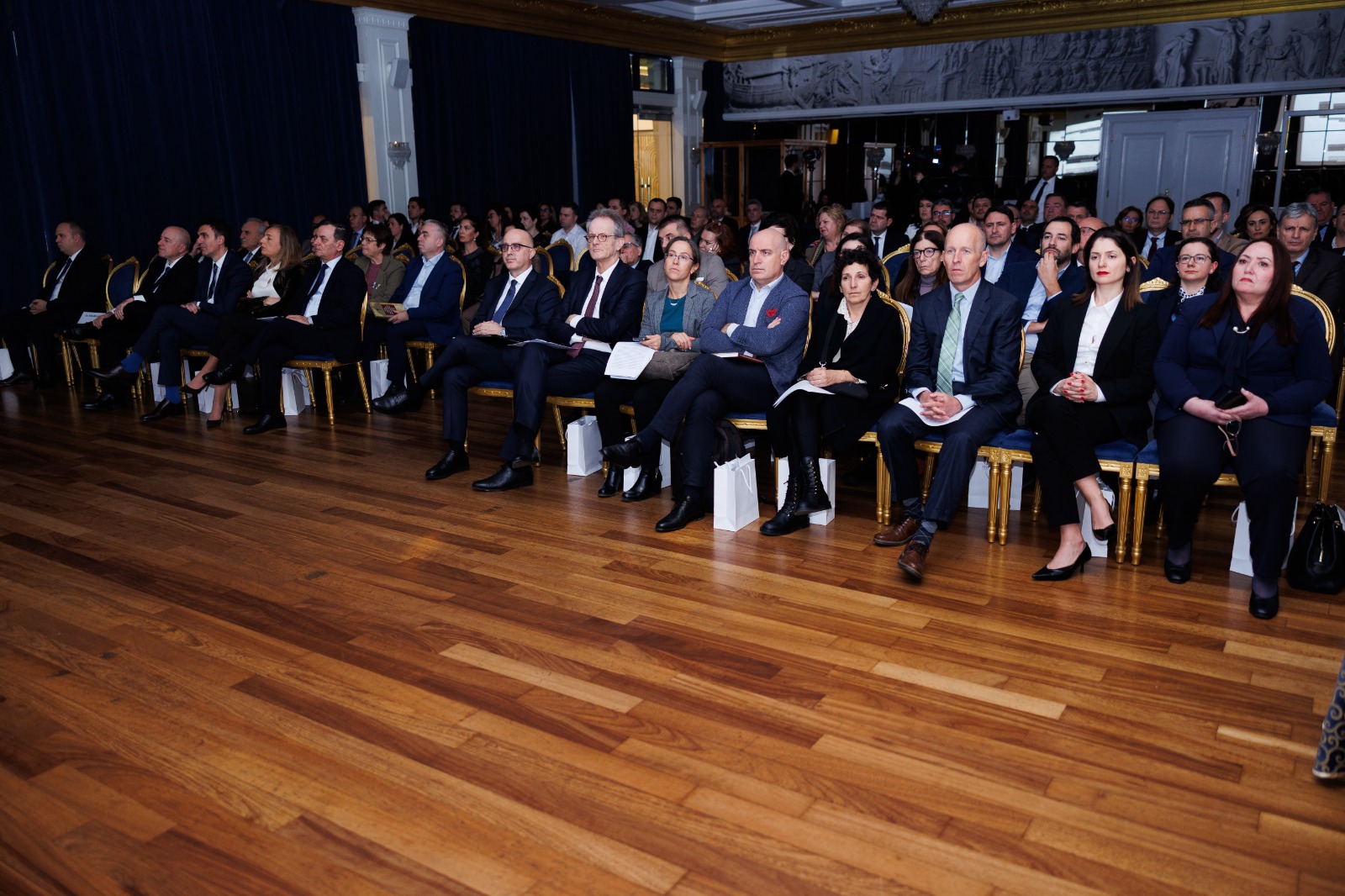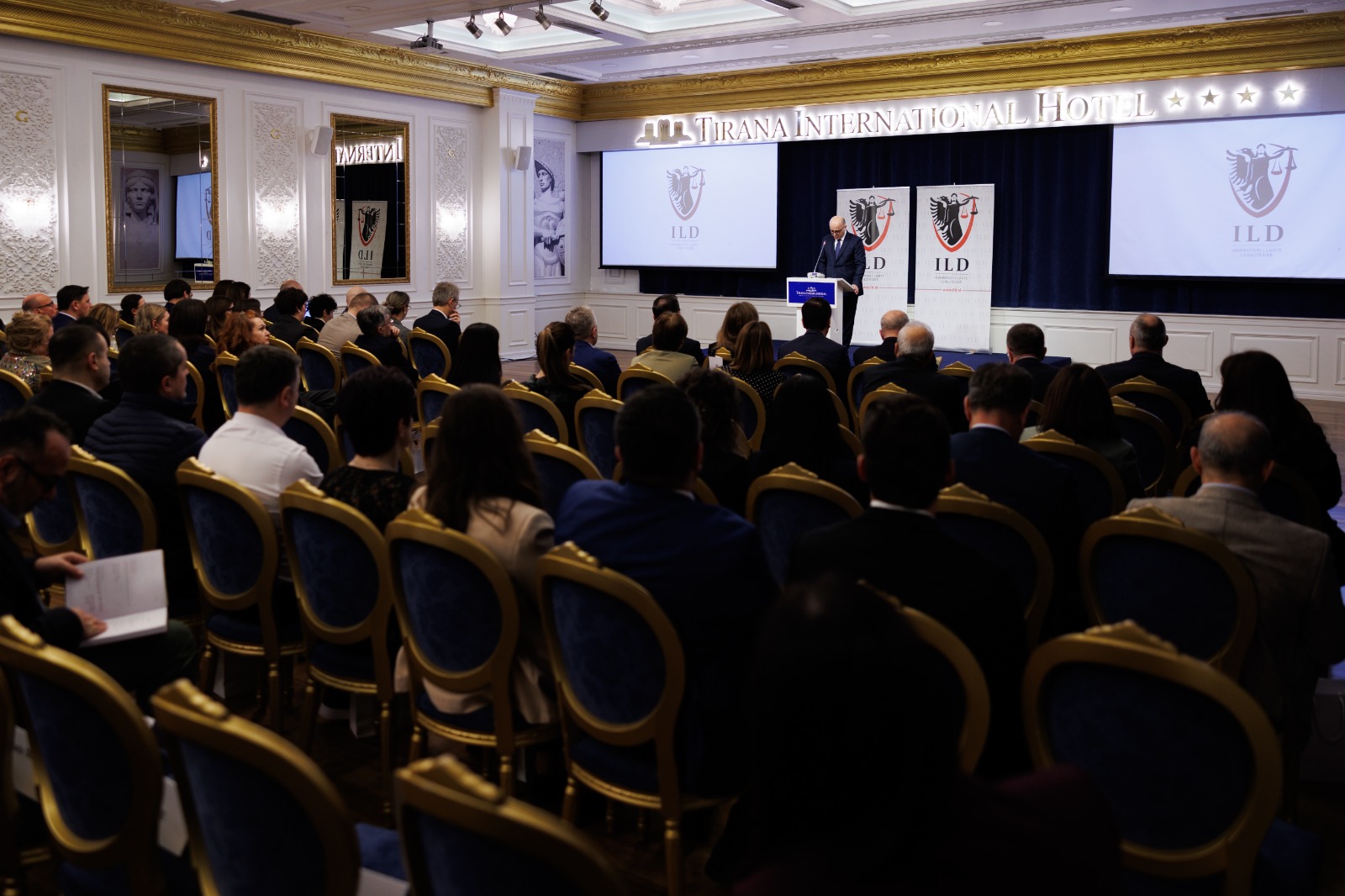
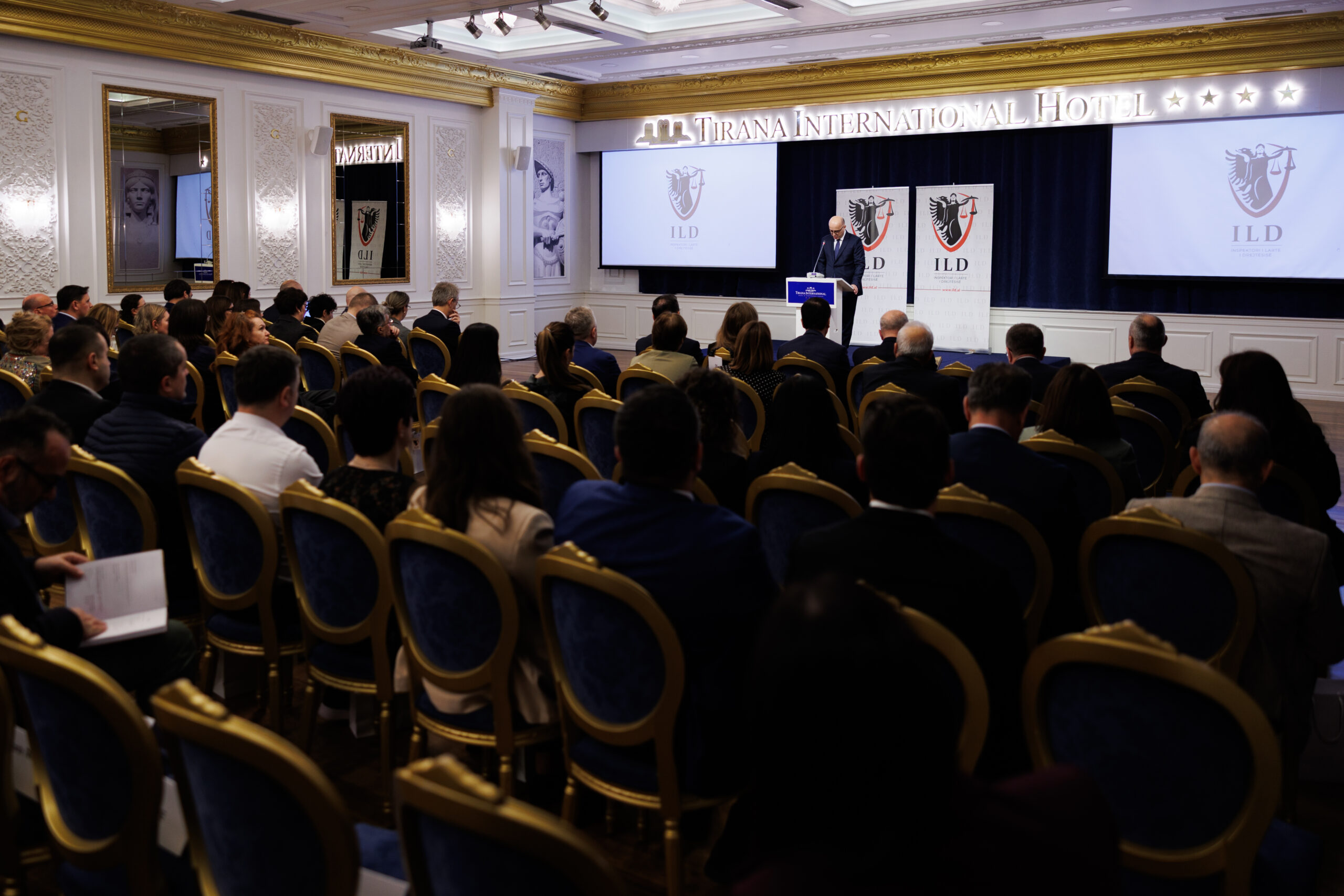
The High Inspector of Justice organized a working afternoon on disciplinary inspection in Albania. Conceived as a moment of reflection on the values and contribution over the years of disciplinary inspection of magistrates and the people who have worked there, the event featured the television documentary, “Inspecting Justice”, prepared as a history of the developments of disciplinary inspection from the 1990s to the present day.
The history of the disciplinary process against magistrates, dating back to the declaration of independence in 1912, was brought to light through a special publication prepared by Prof. Erind Mërkuri “General History of the Disciplinary Process against Magistrates in Albania (1912 – 2025)”, as a documentation of our country’s early efforts to keep the justice system accountable.
The activity brought together leaders and representatives of the country’s justice institutions, courts and prosecution’ offices, contributors to the inspection service over the years, academics and researchers.
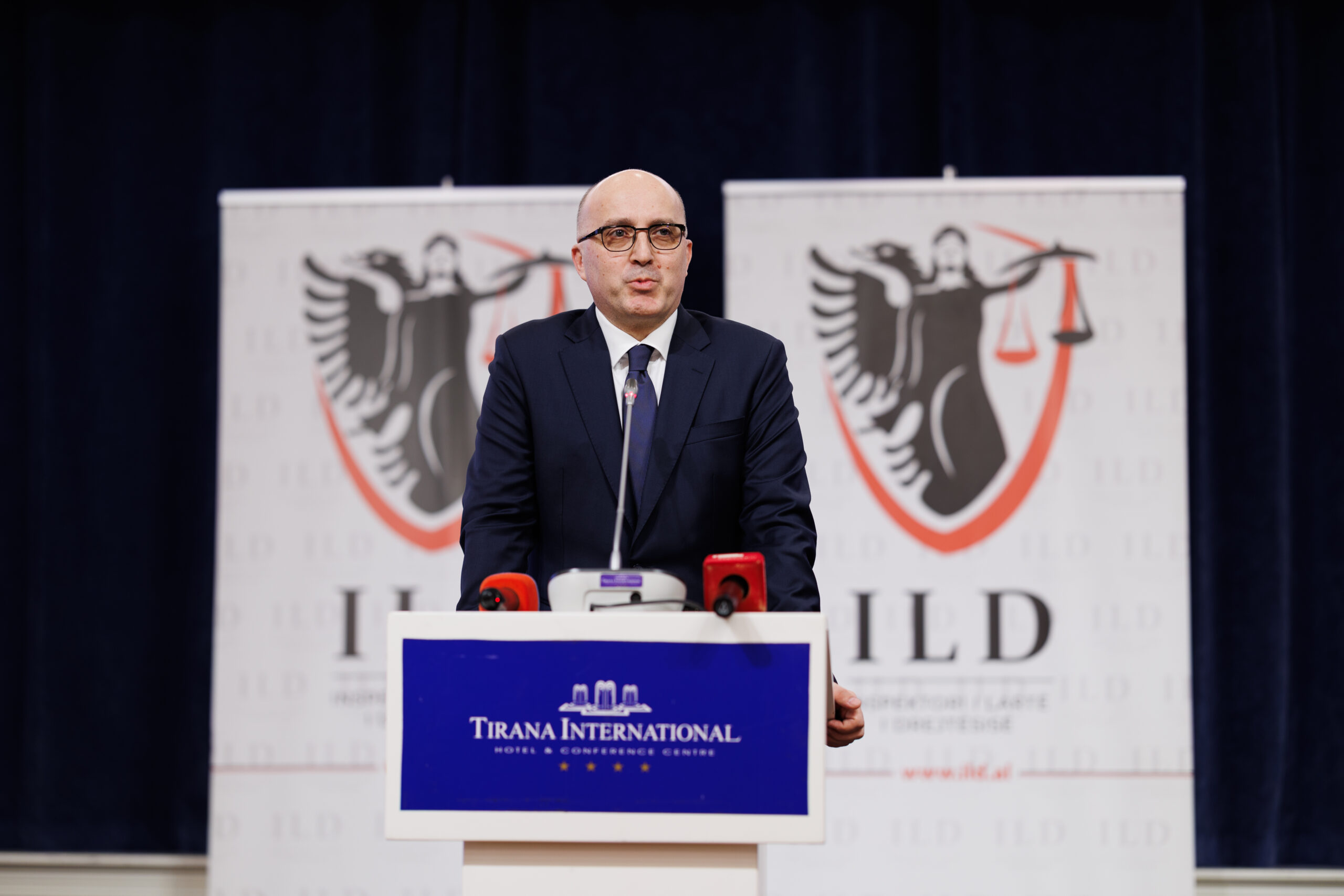
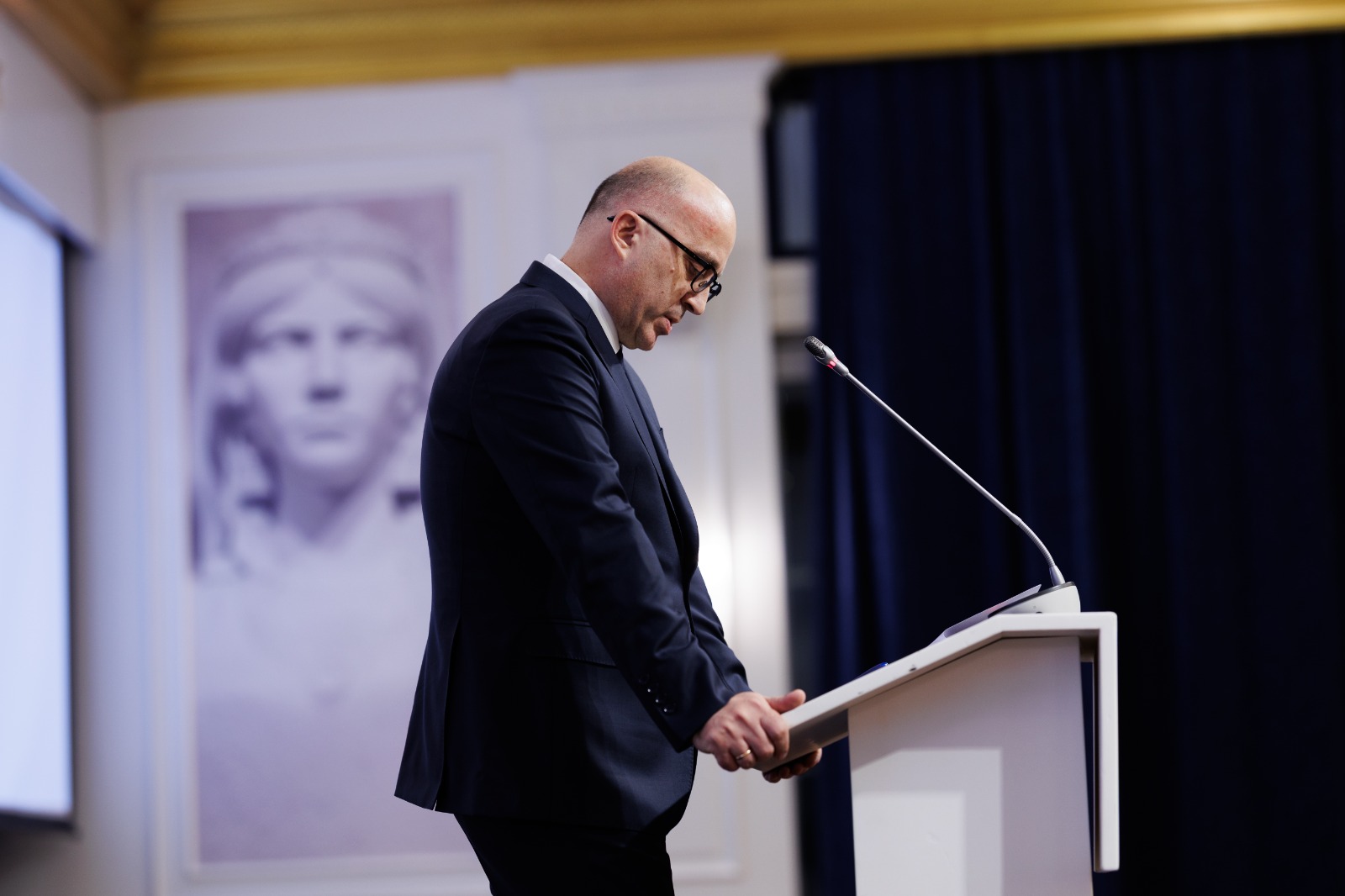
In his welcoming speech, the High Inspector of Justice Mr. Metani highlighted that although the country has had a single institution for over 5 years, dealing with the inspection of judges and prosecutors, this process was not born with the HIJ in 2020, but was marked much earlier in our history, with the founding of the Albanian state and it is a very important contribution over a century, which the Office of the High Inspector of Justice aims to document.
“When, with my colleagues in the HIJ office, we thought and discussed the idea of the path of the judicial inspection service and that of the prosecution in Albania, we were very enthusiastic, but also uncertain, whether we would be able to show extensively the development of the inspection of magistrates in Albania. Judicial inspection often remains in the shadows and public attention is naturally taken by judicial decisions. However, judicial inspection remains a very important tool for preserving the integrity of the justice system. Considering this, but also the real possibilities, for HIJ to produce a historical documentation of the entire progress of the judicial inspection service in Albania since 1912, seemed almost an insurmountable challenge. Apparently, we succeeded. Today, we will open the curtain on this vital and exciting part of our history. The materials published in this book constitute a very important part of the institutional tradition of Albanian justice.”
Focusing on the activity of HIJ in these years, Mr. Metani highlighted the challenge of running a new institution, establishing work practices and standards to keep up with the times.
“The election to the position of High Inspector of Justice came with the extraordinary responsibility of facing the establishment of such an institution with strong professional foundations, with the expectations of the public and other political and institutional actors and with the expectations of the justice system itself. Having no previous model, setting such standards and above all, maintaining the balance between the independence of magistrates and the legitimate interest of the public in the way justice is administered, was and remains the guiding compass of the Office of the High Inspector of Justice. This remains the greatest professional and personal challenge of the Office of the High Inspector of Justice, not for institutional stability, but seeing this balance of interests as an important constitutional principle for the future of the justice system and the rule of law. Naturally, like any process, the testing of this working philosophy requires its own period of facing the challenges that the system is going through and time will show the sustainability of its implementation in practice, as well as the long-term effects in the system.”
The author of the publication, Prof. Erind Mërkuri, underlined the fact that the disciplinary service of magistrates has a history and tradition in our country. Its transmission, especially in documentary form, is important because respecting tradition as a need for statehood is a cultural treasure. To illustrate, he brought a quote from Sir Roger Scruton, according to whom “We are lucky to be building on the achievements of our predecessors and the important thing is to preserve those achievements and not throw them away.”
Academician Shaban Sinani praised the publication as a very important initiative that scientifically periodizes the phases in which the Albanian disciplinary service has gone through in the last century. The special value of the publication, according to the academician, is the promotion of heritage in a field that is not very promoted.