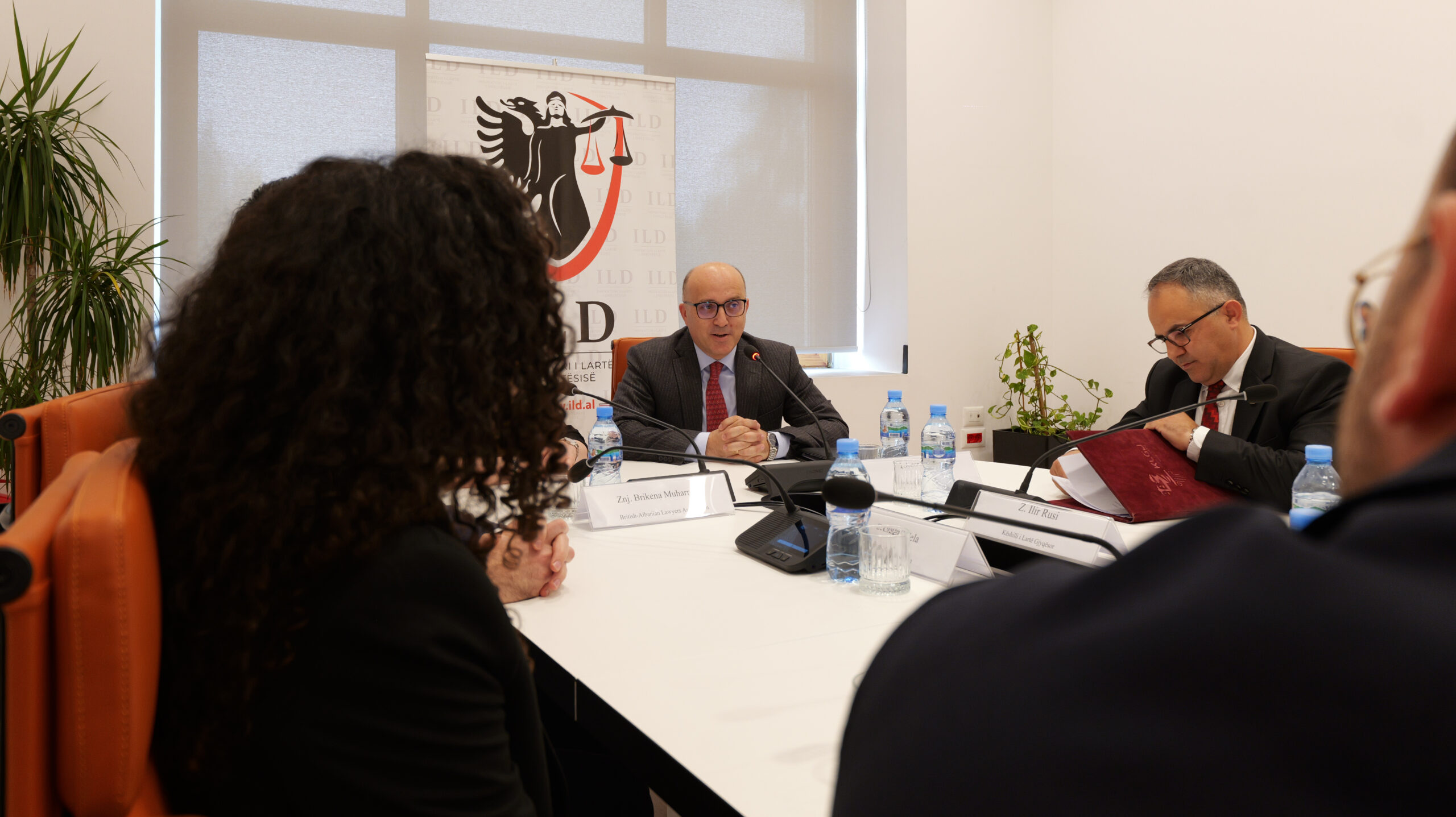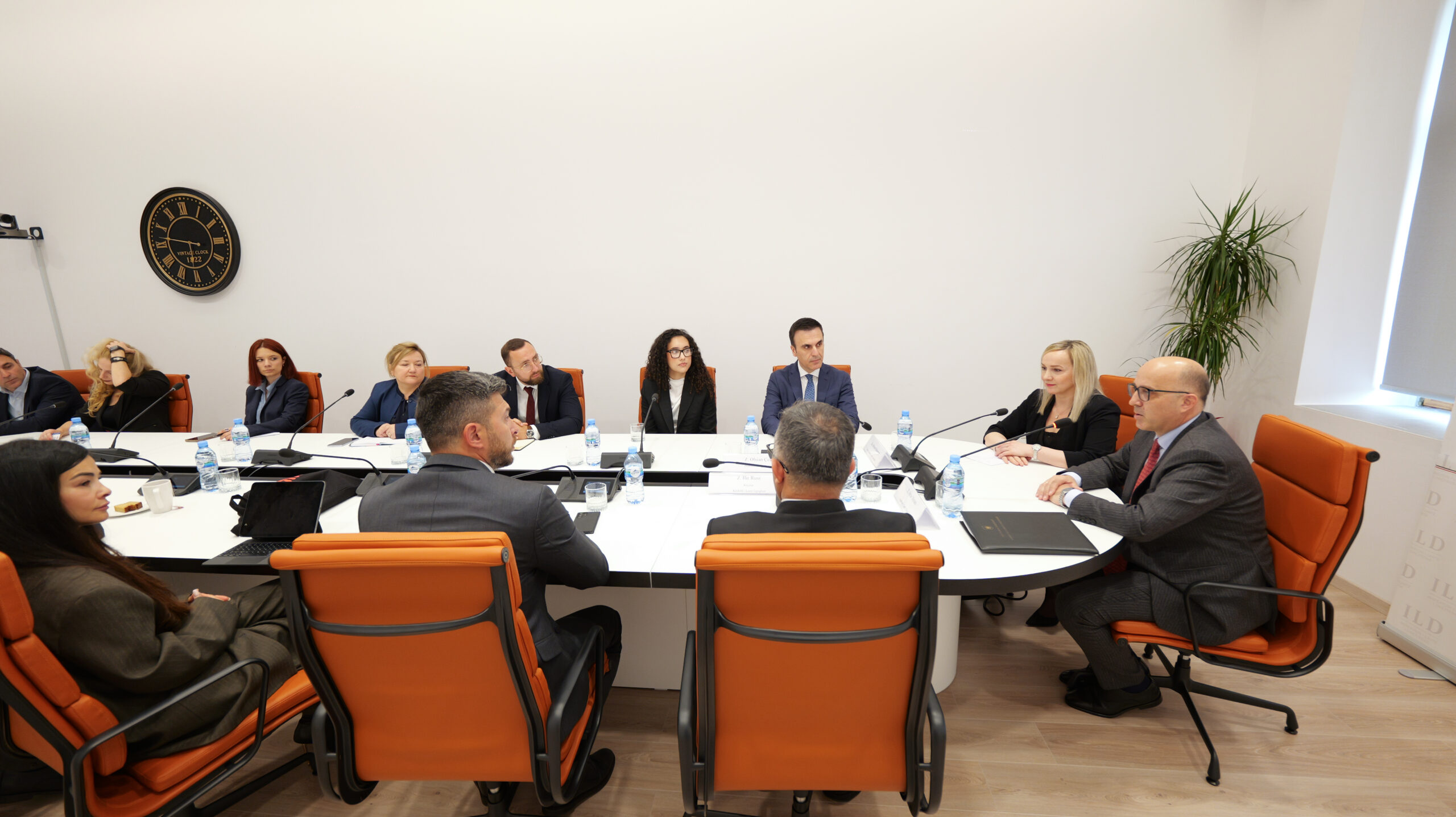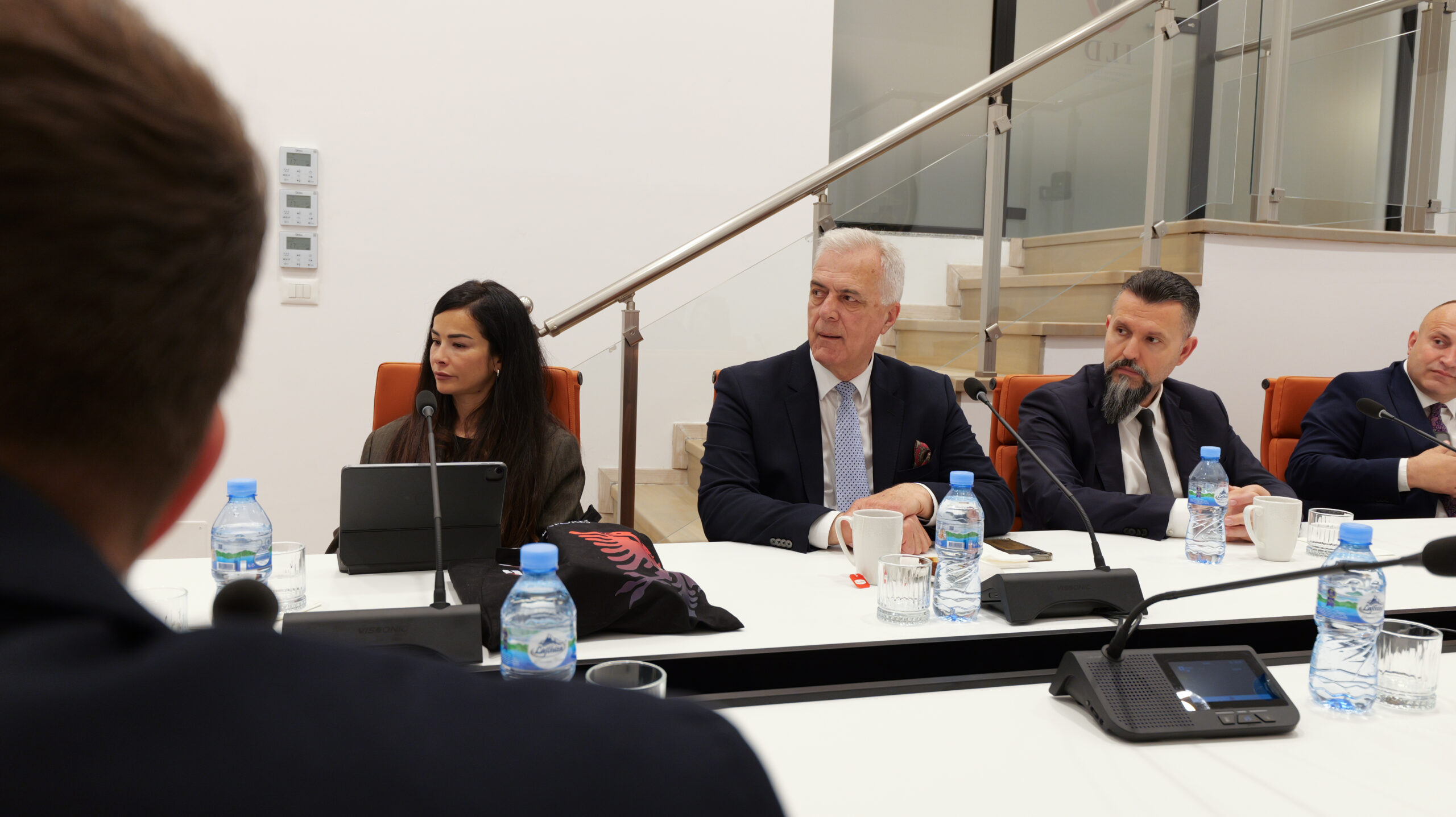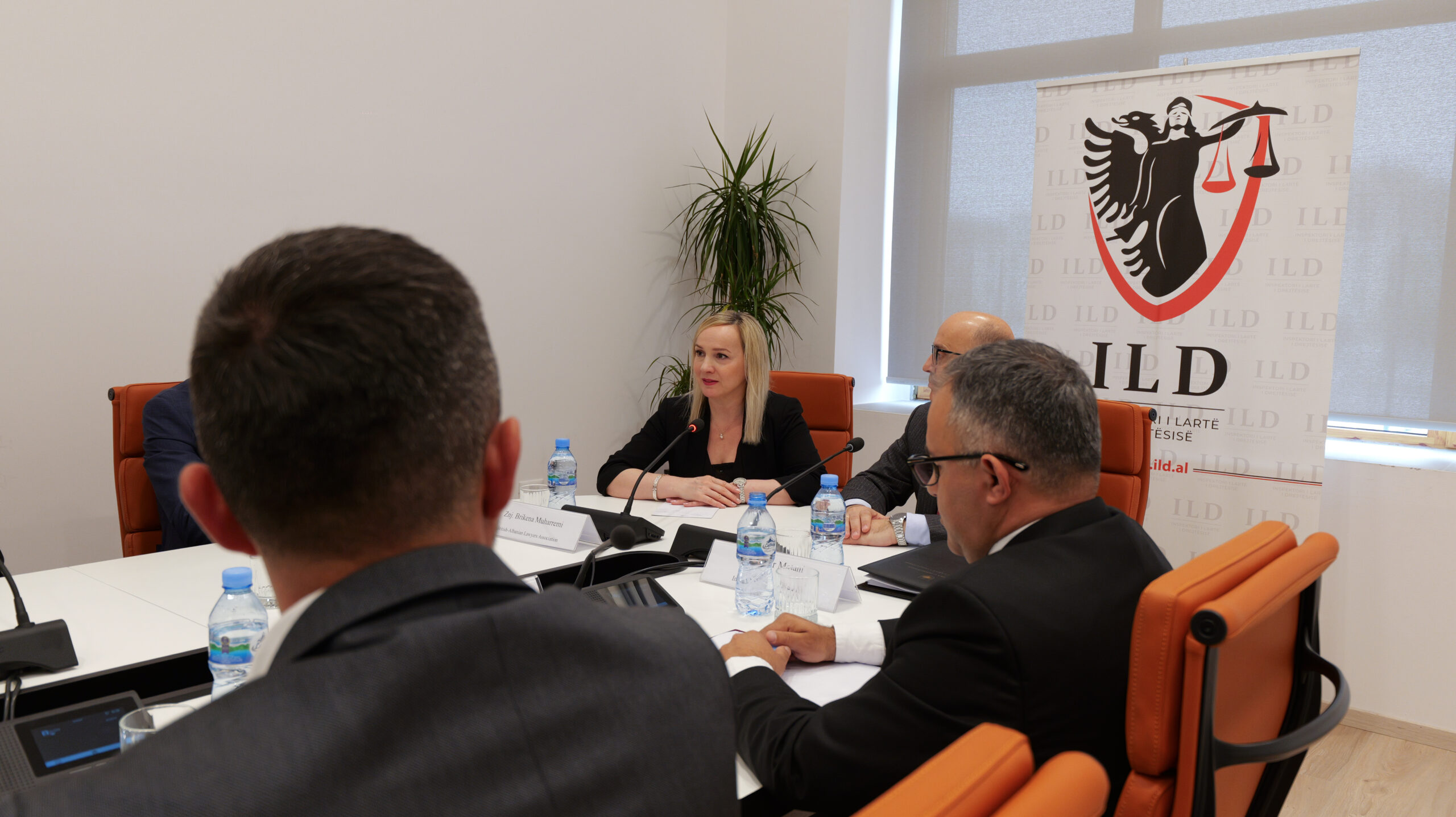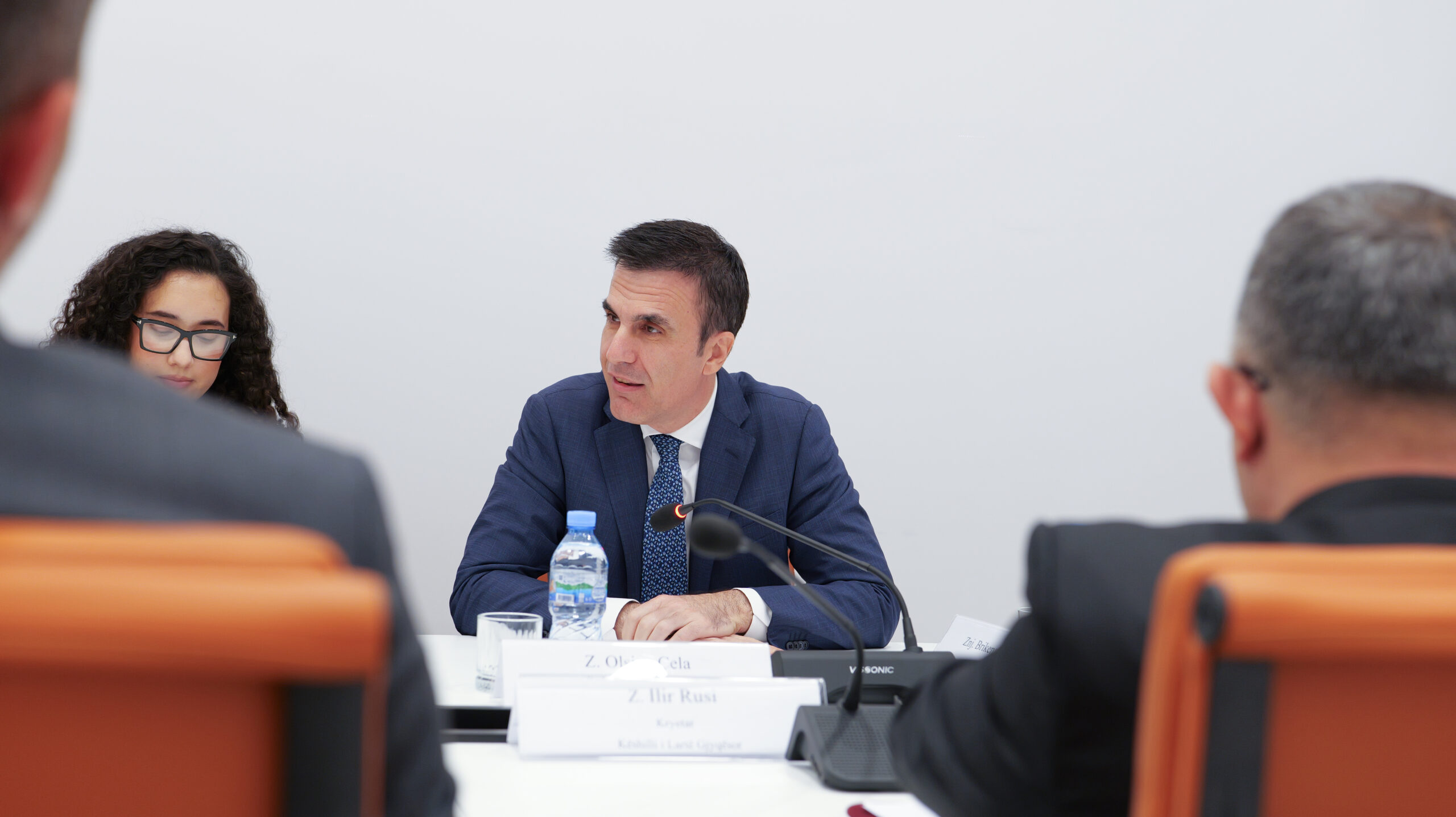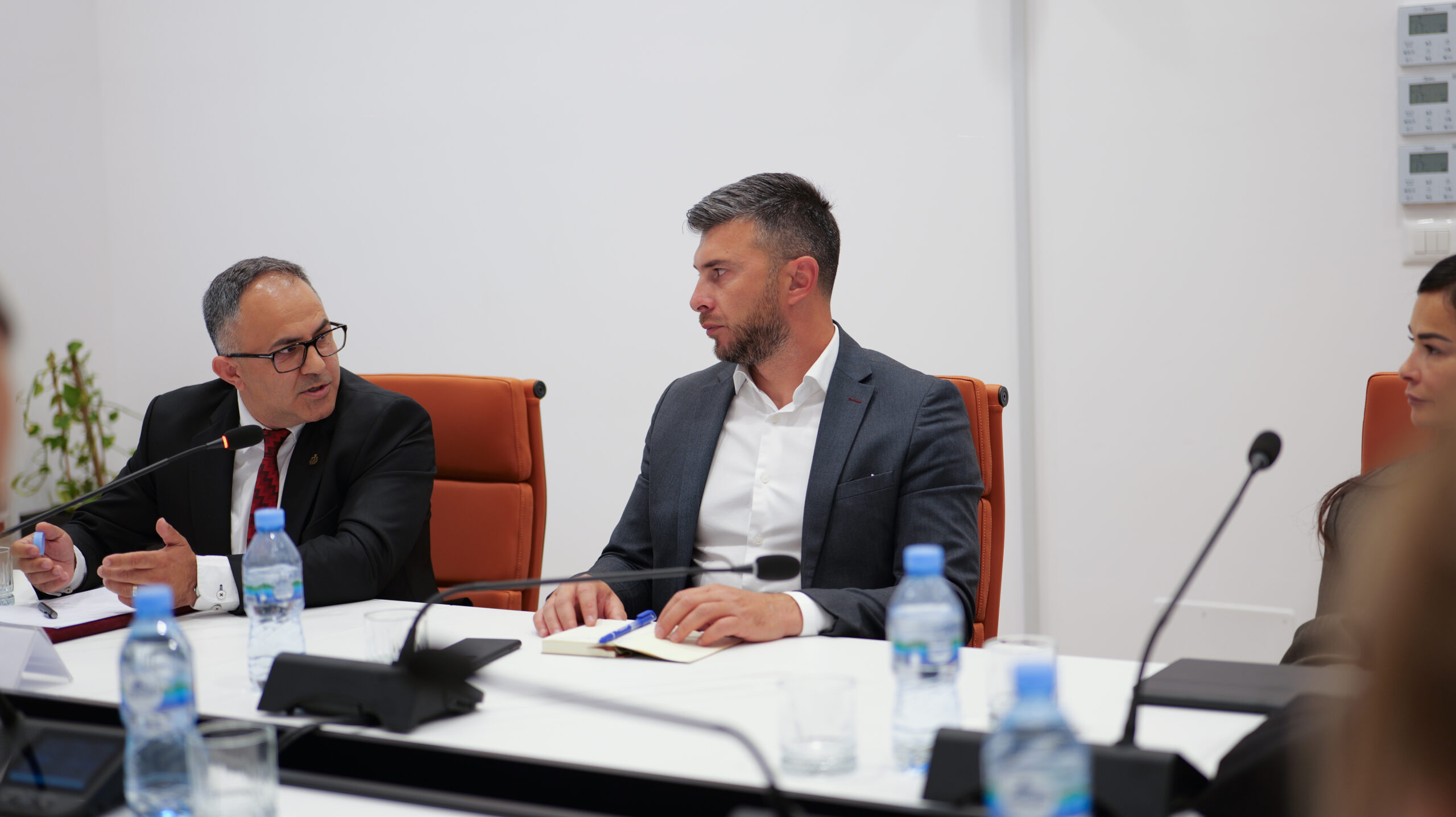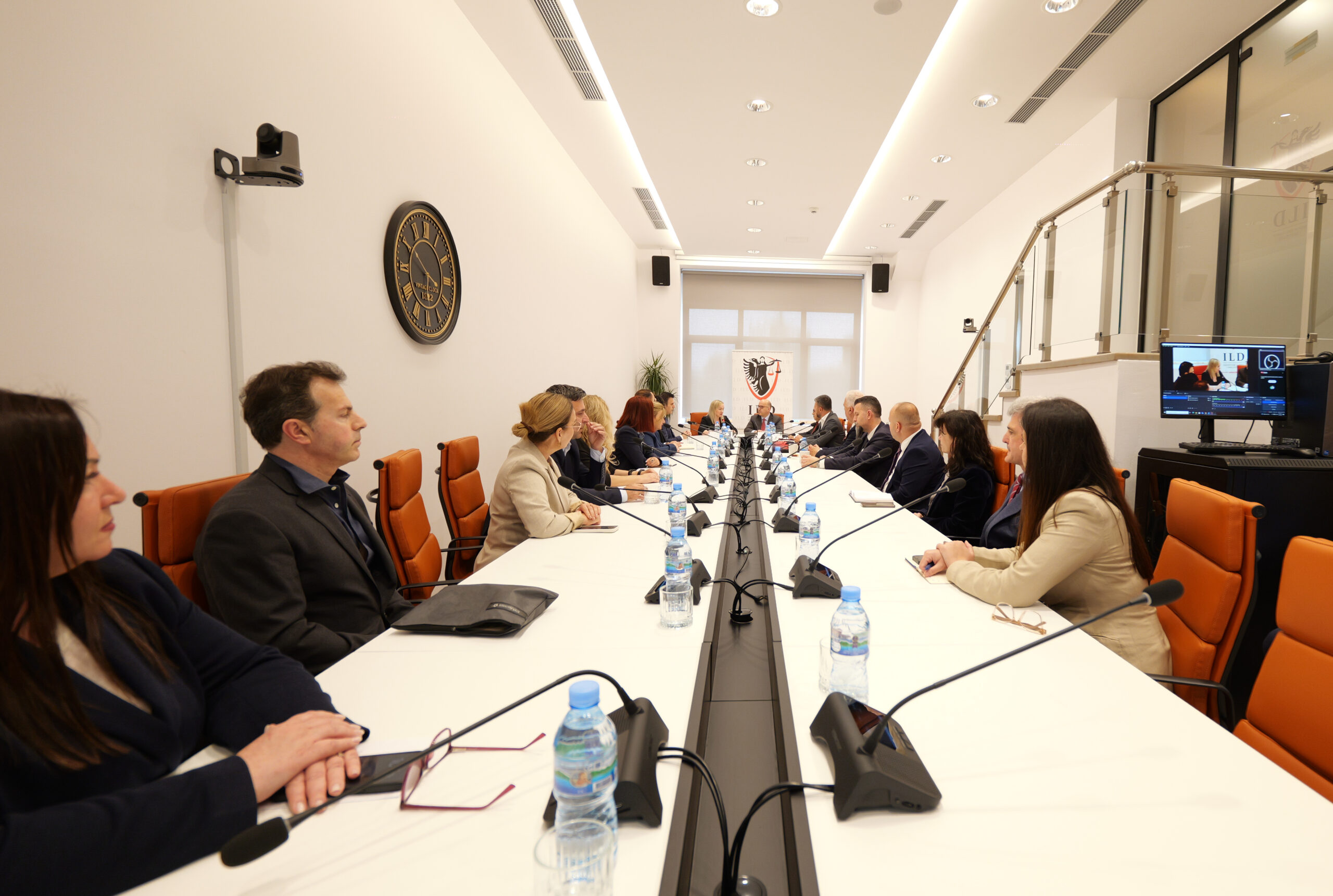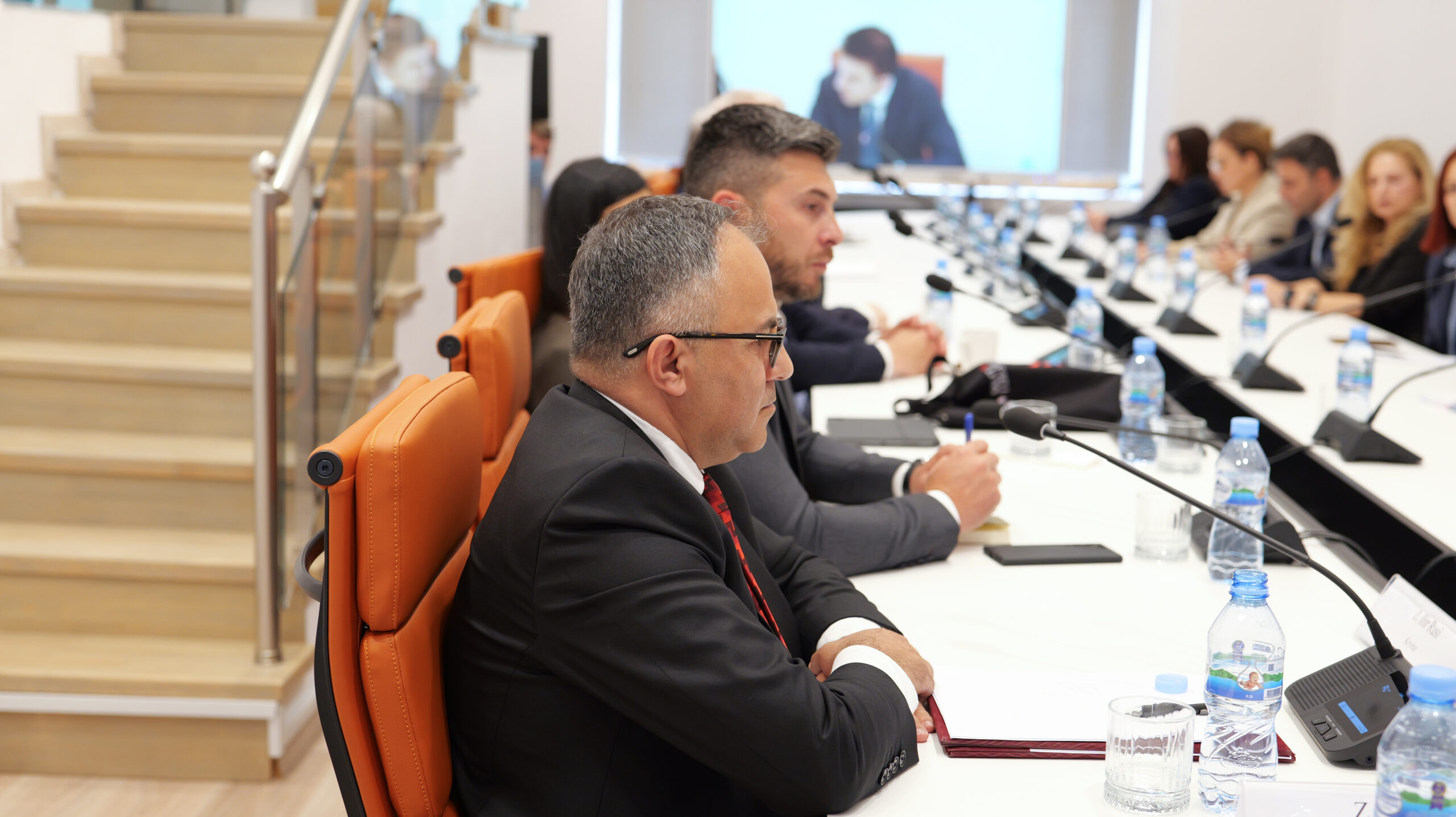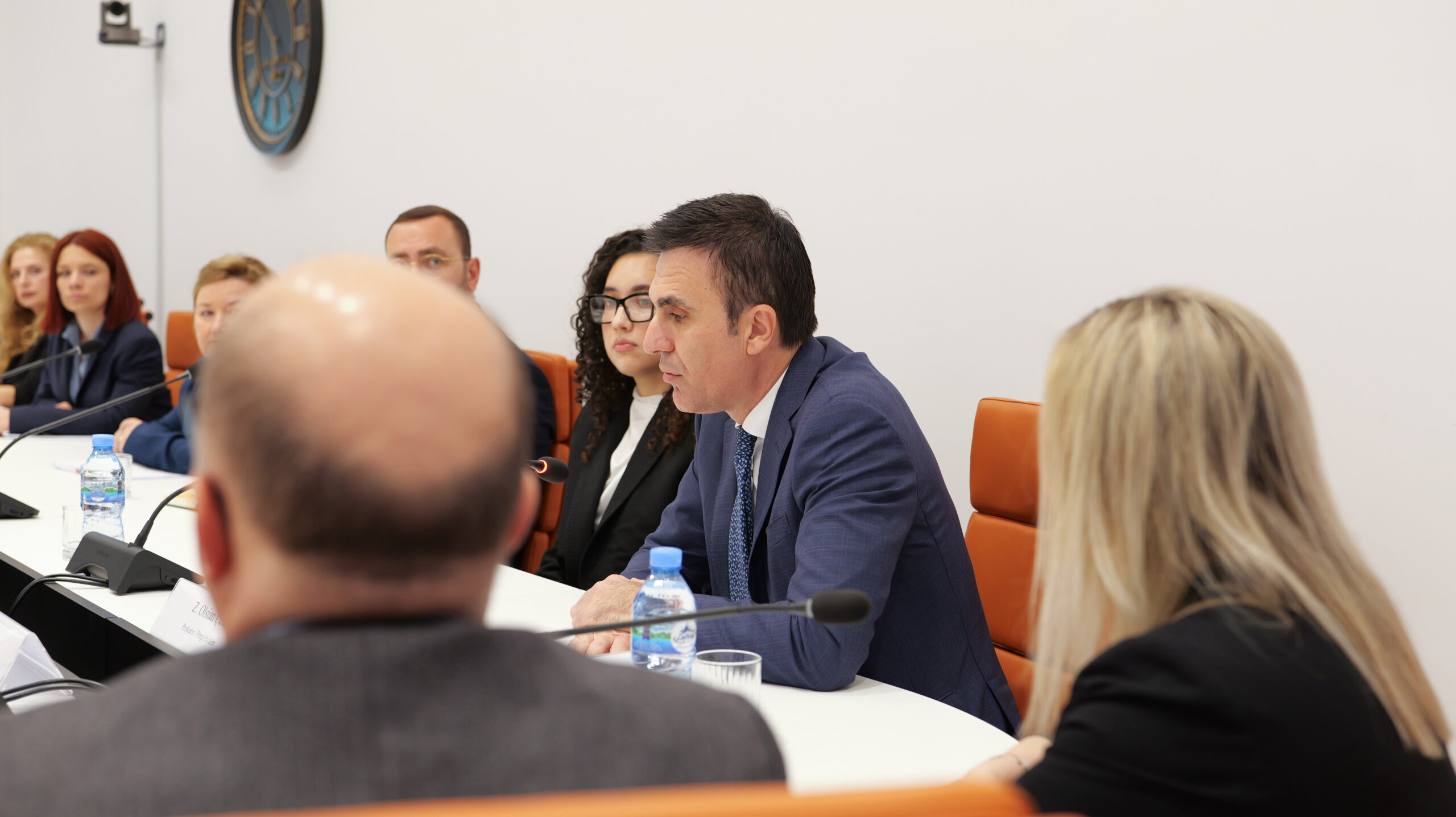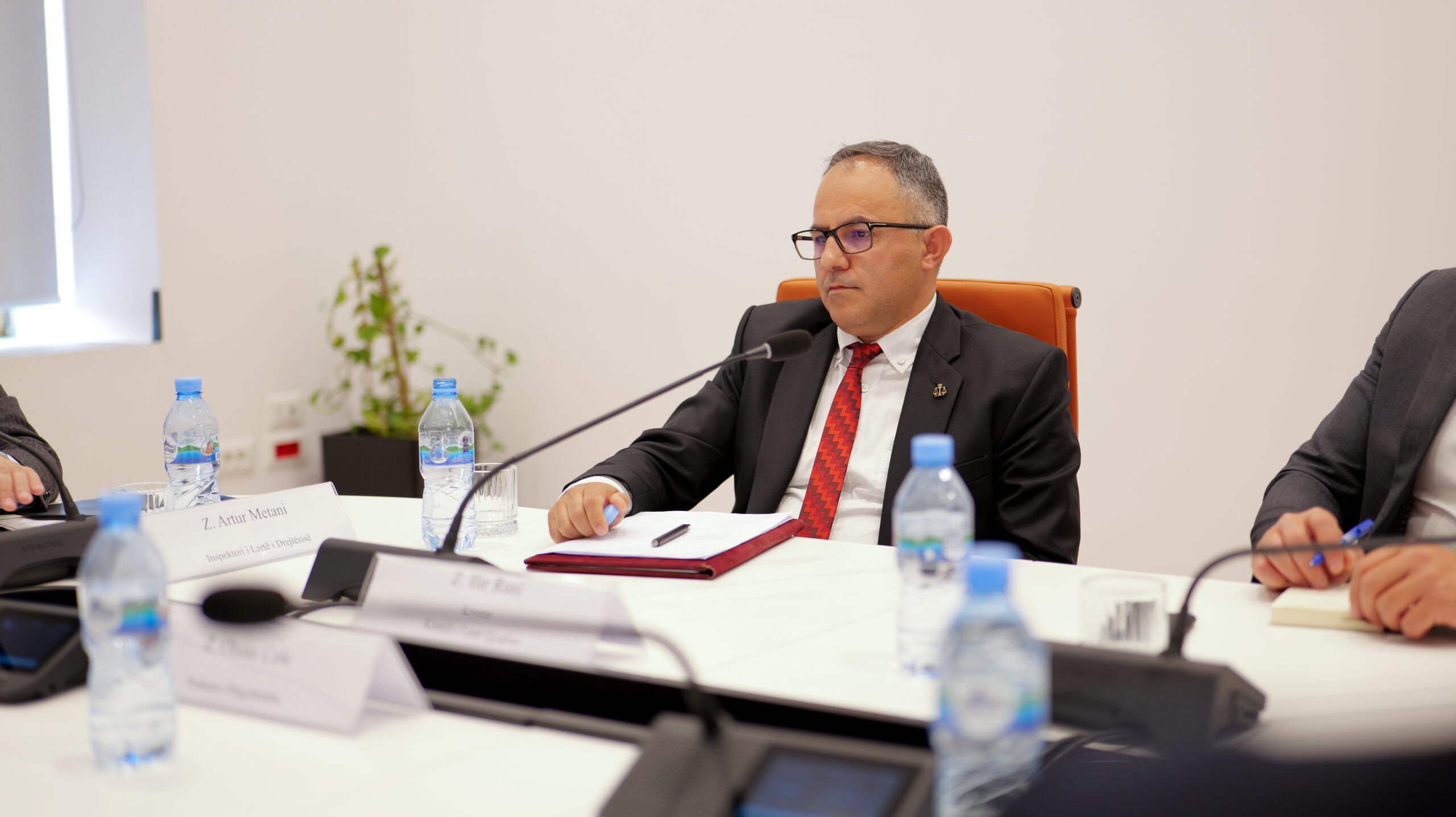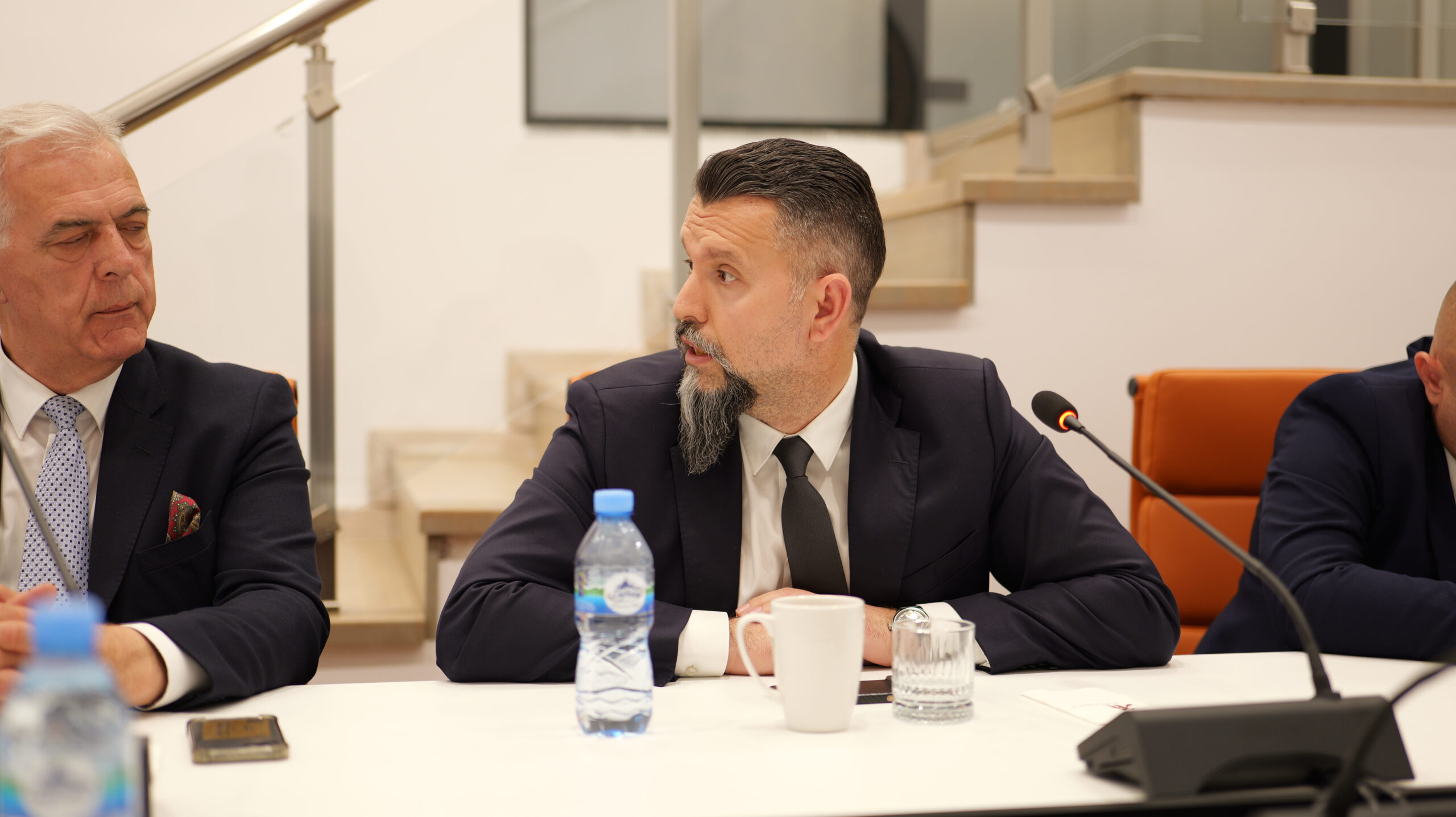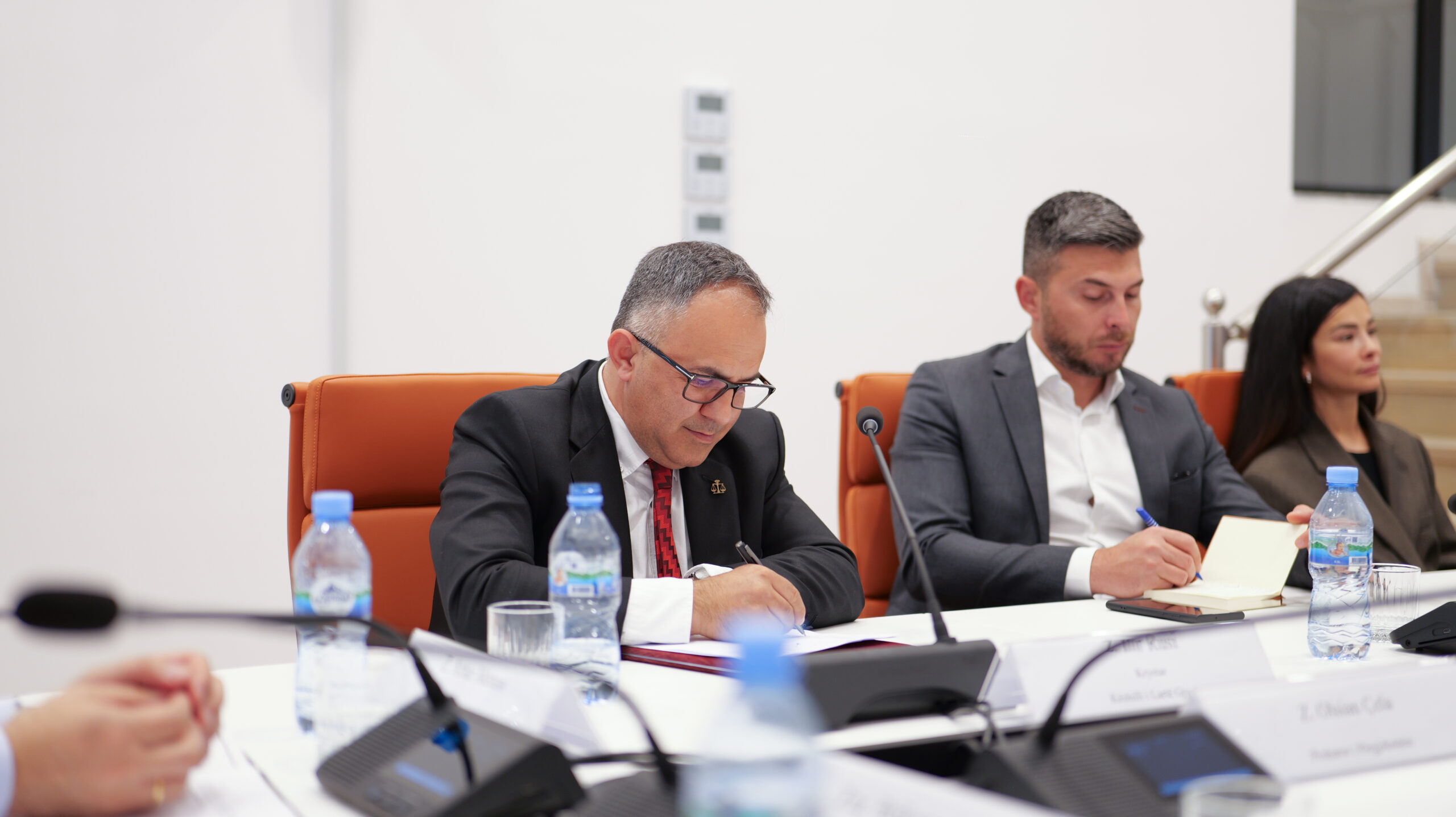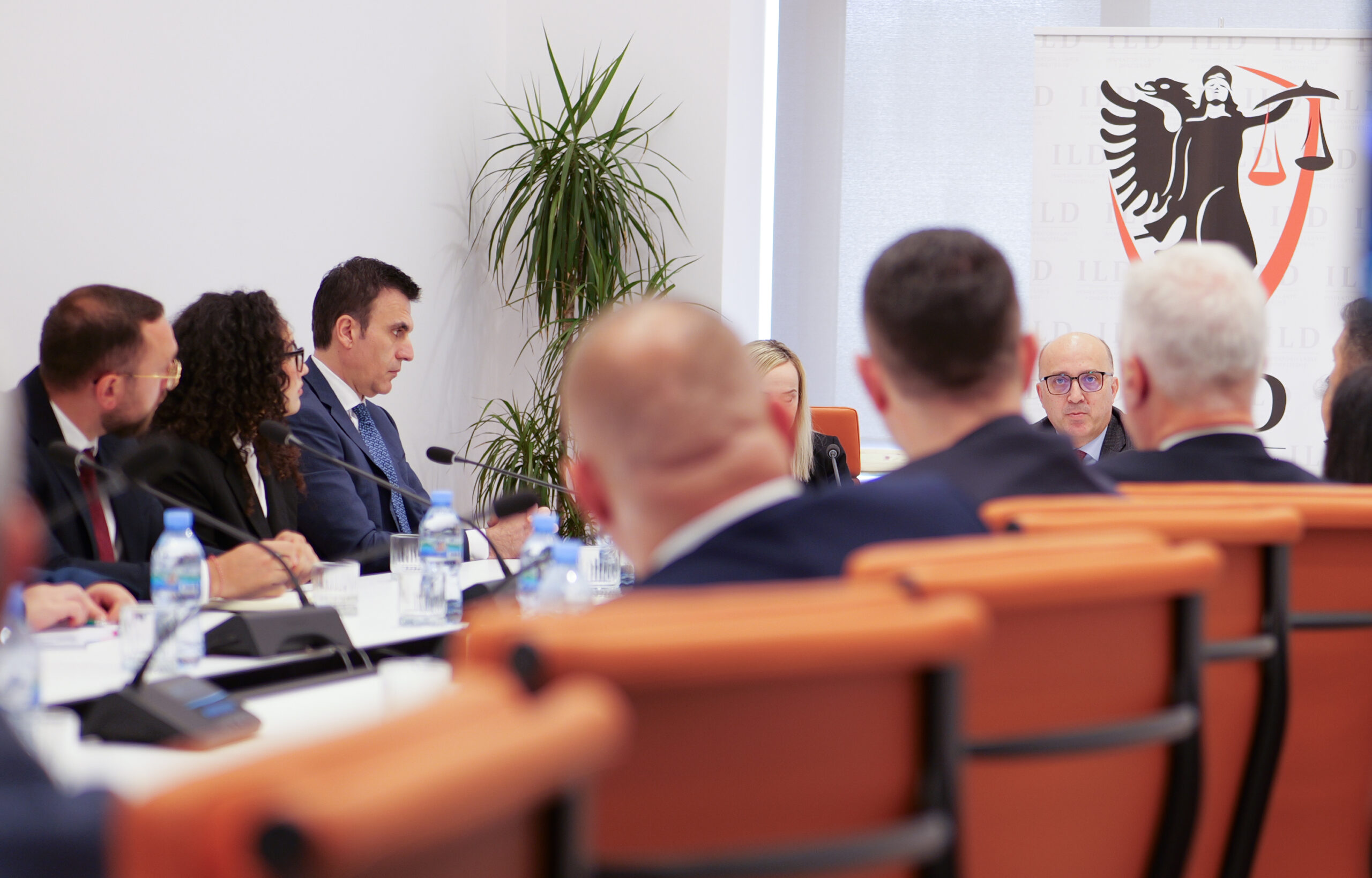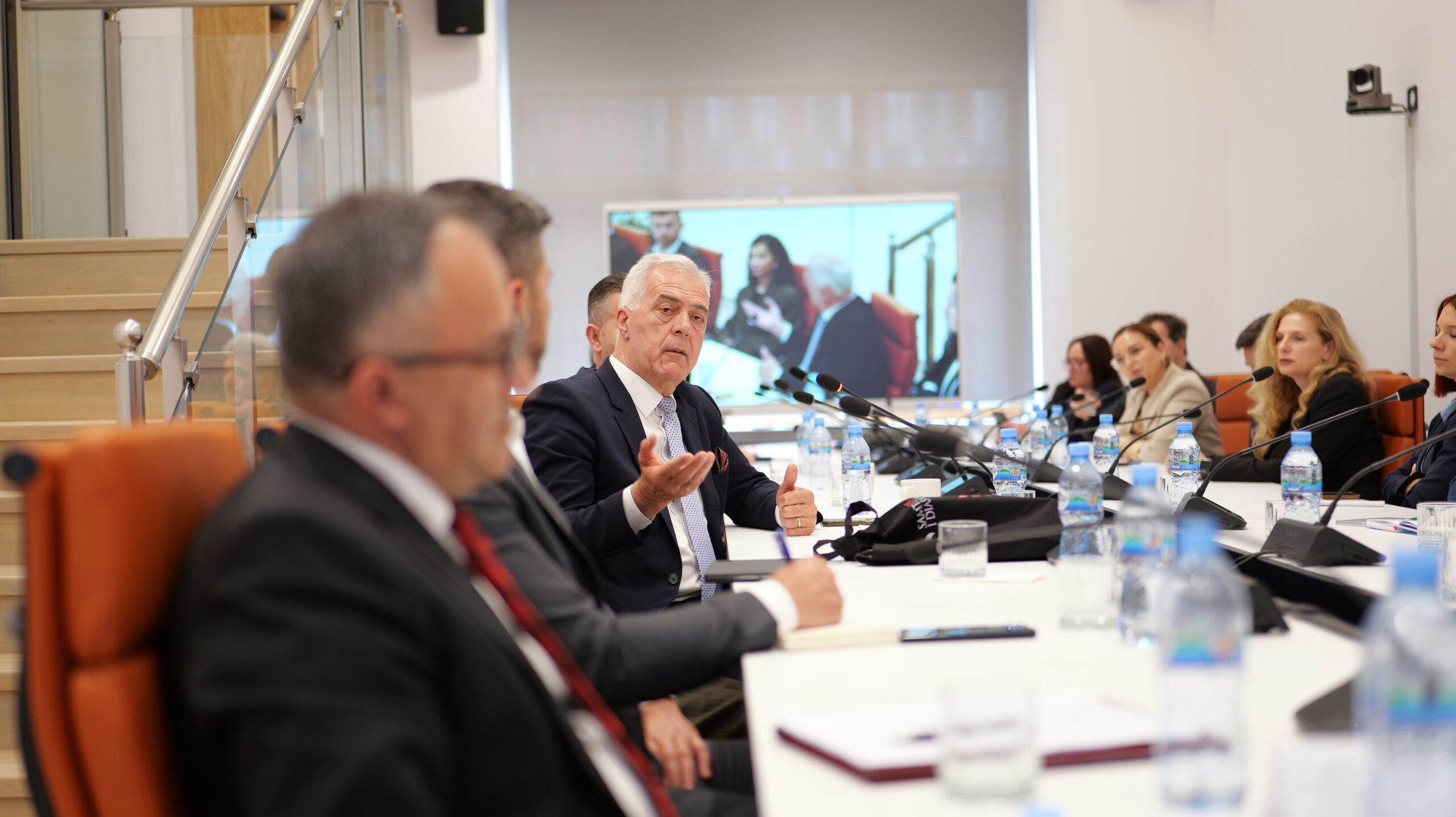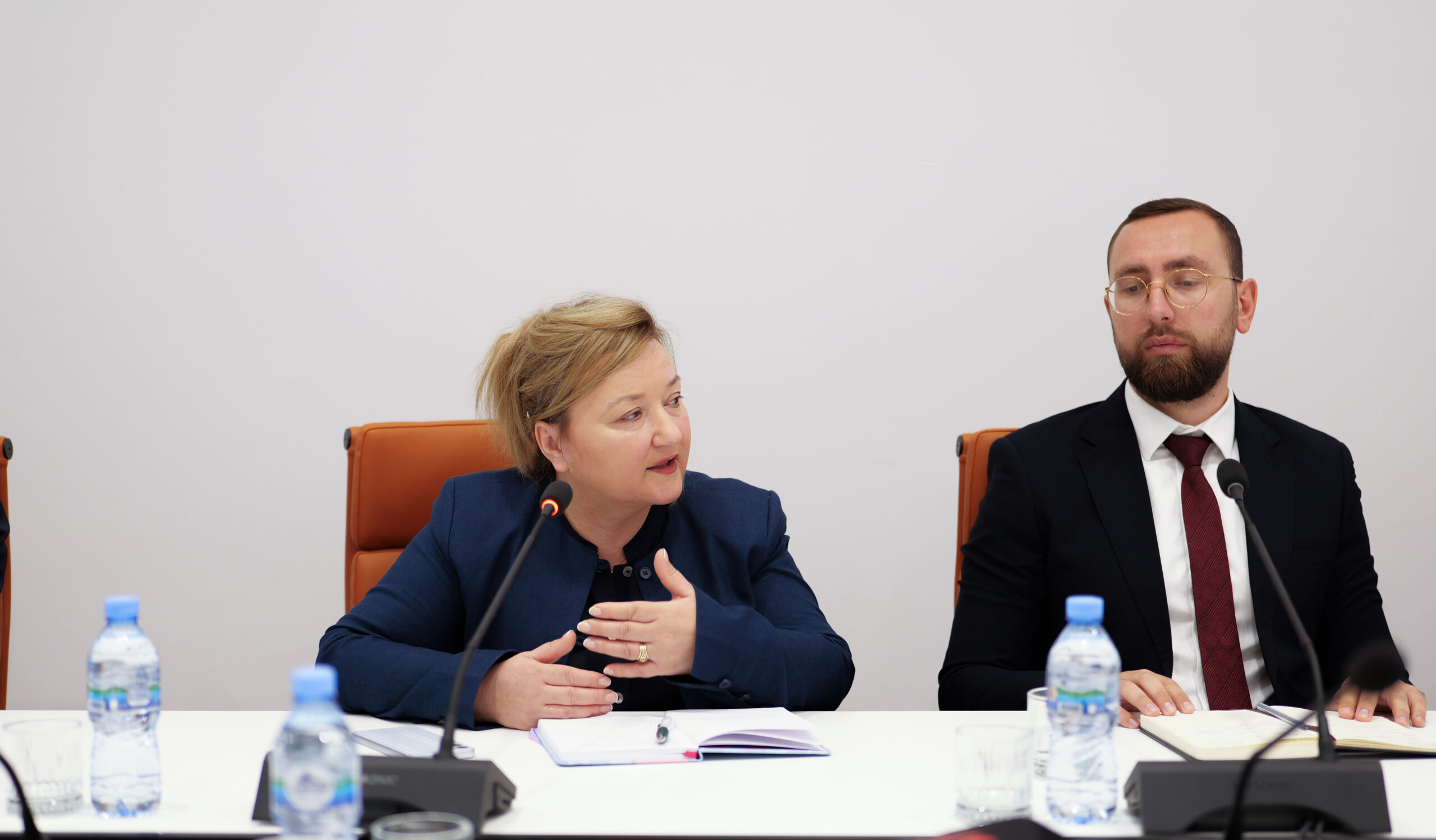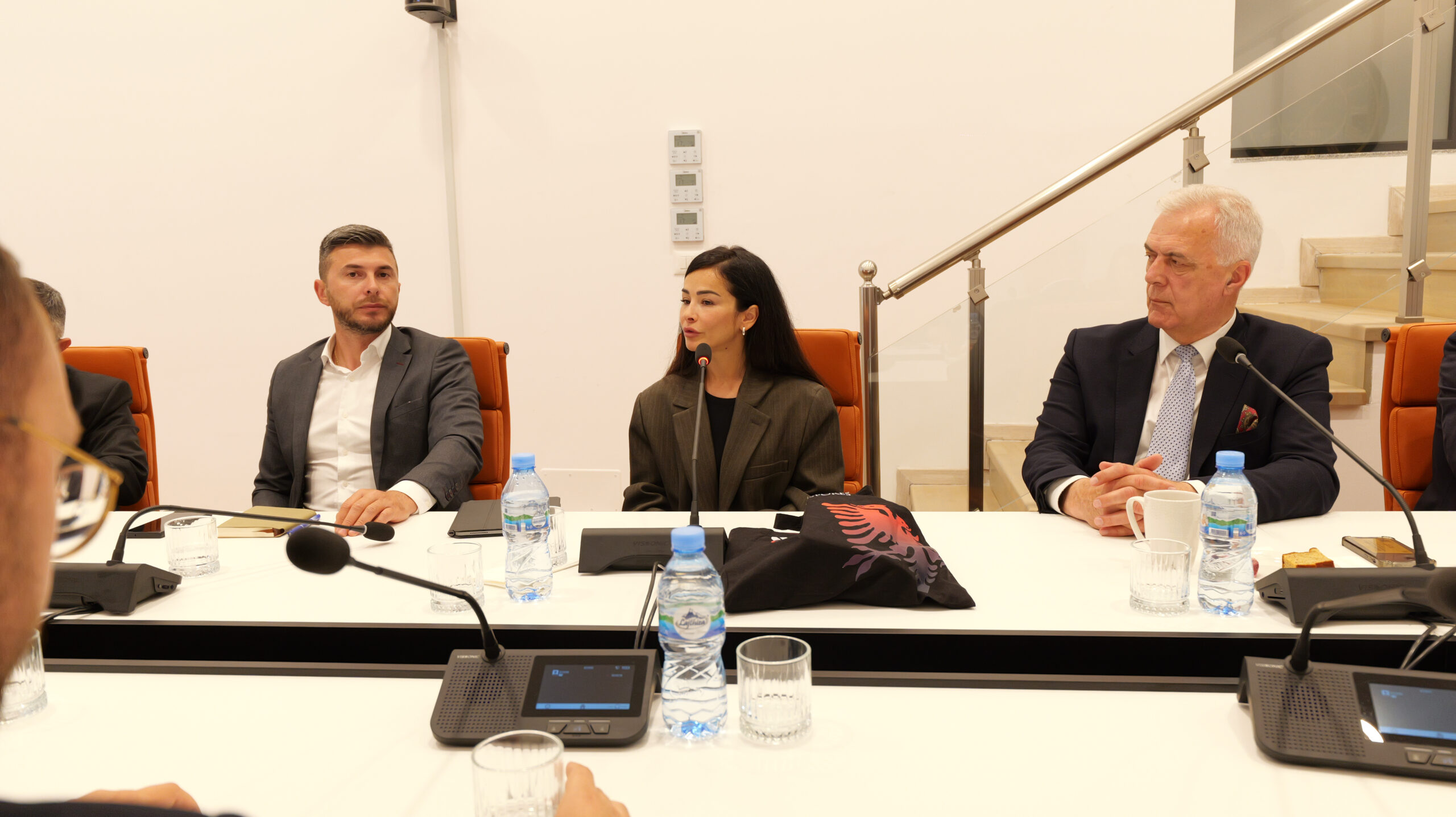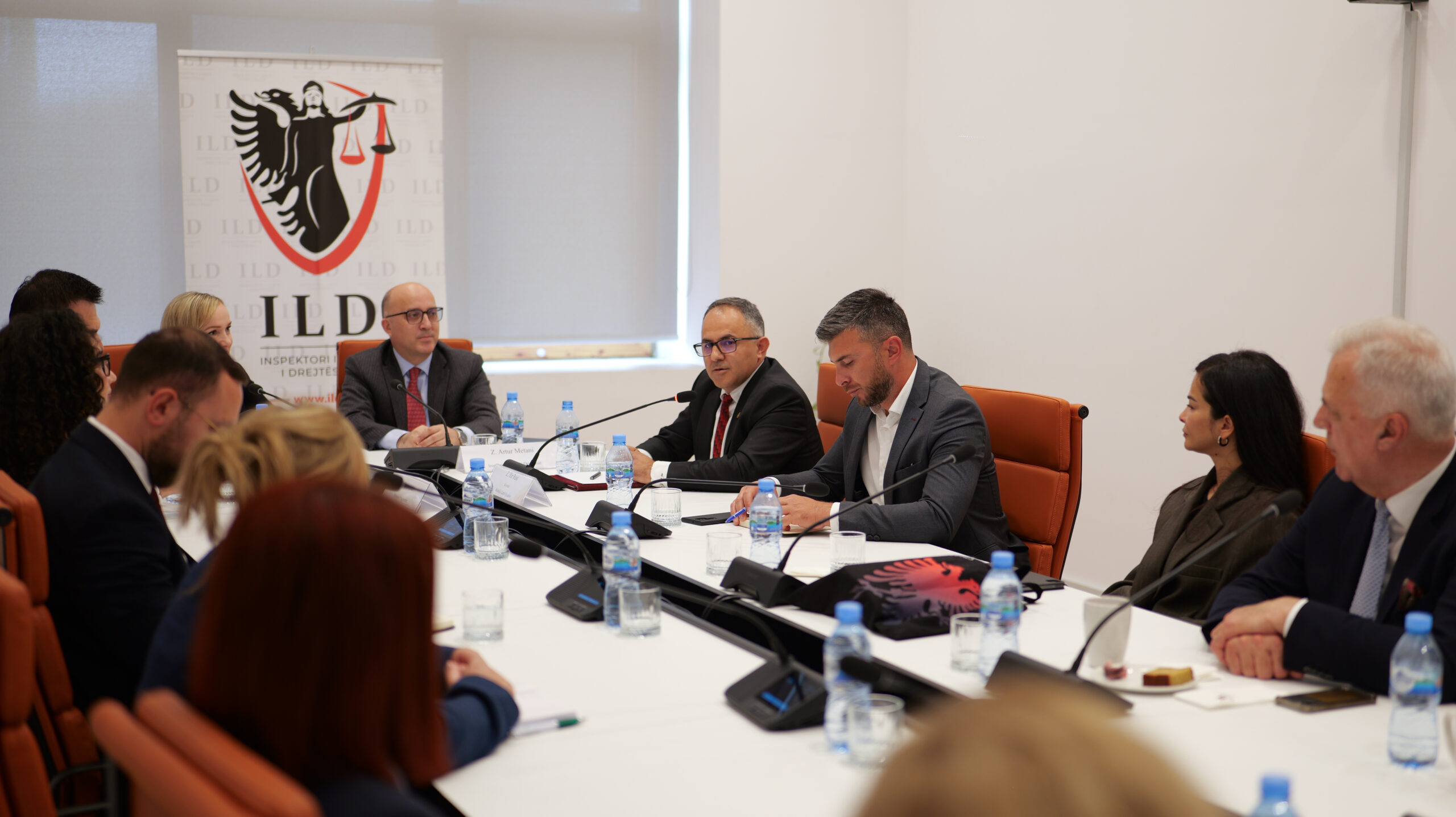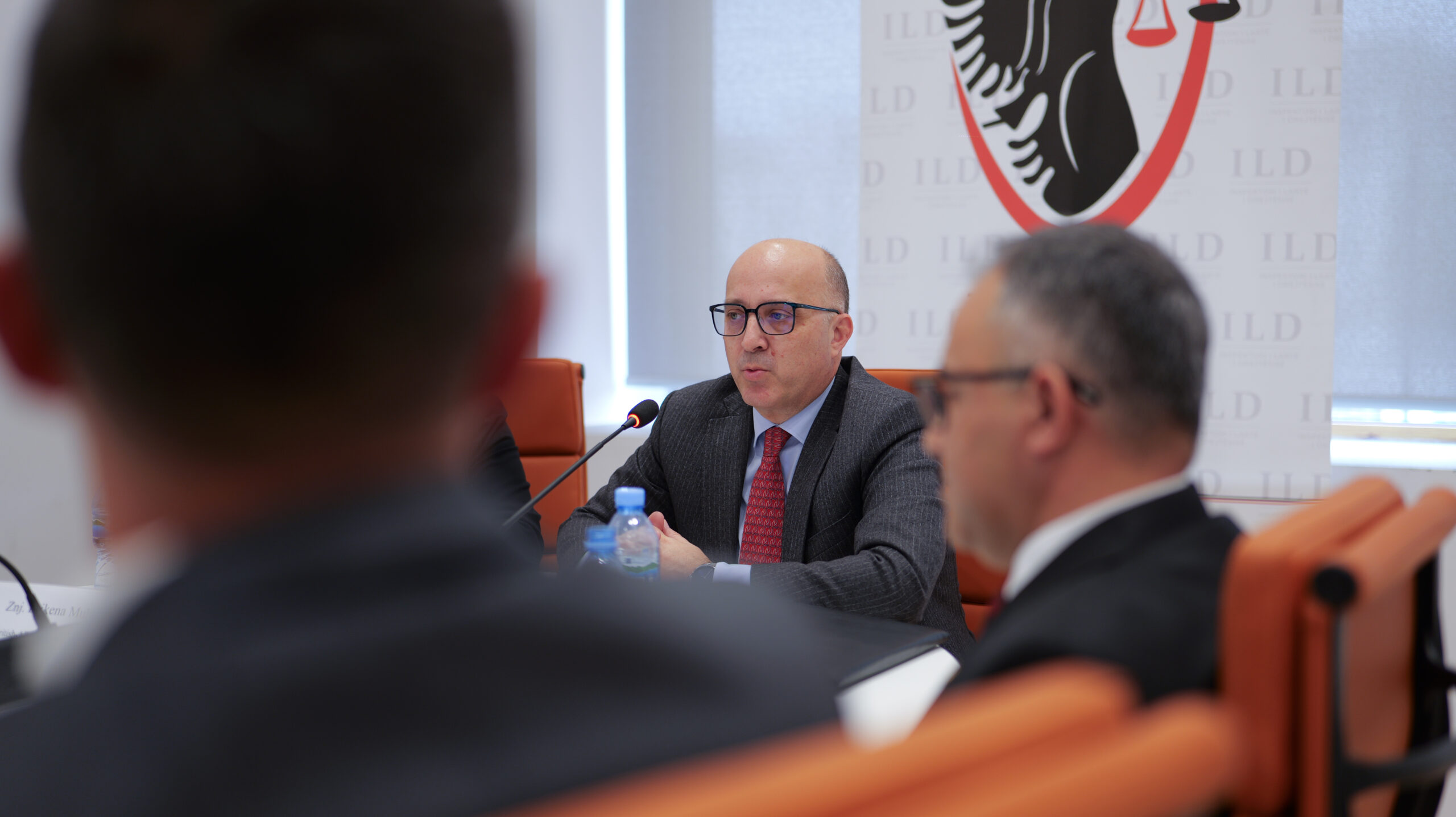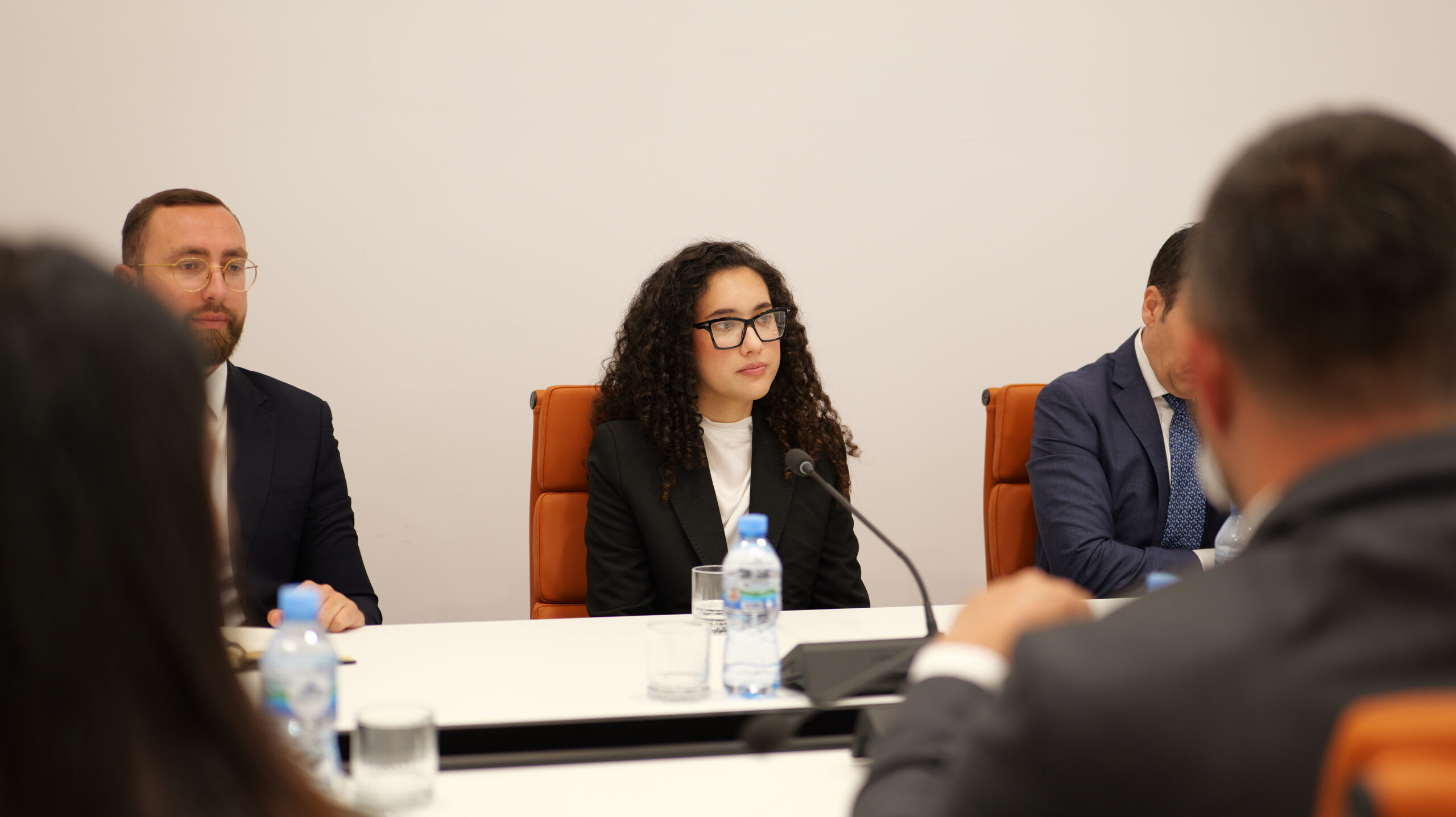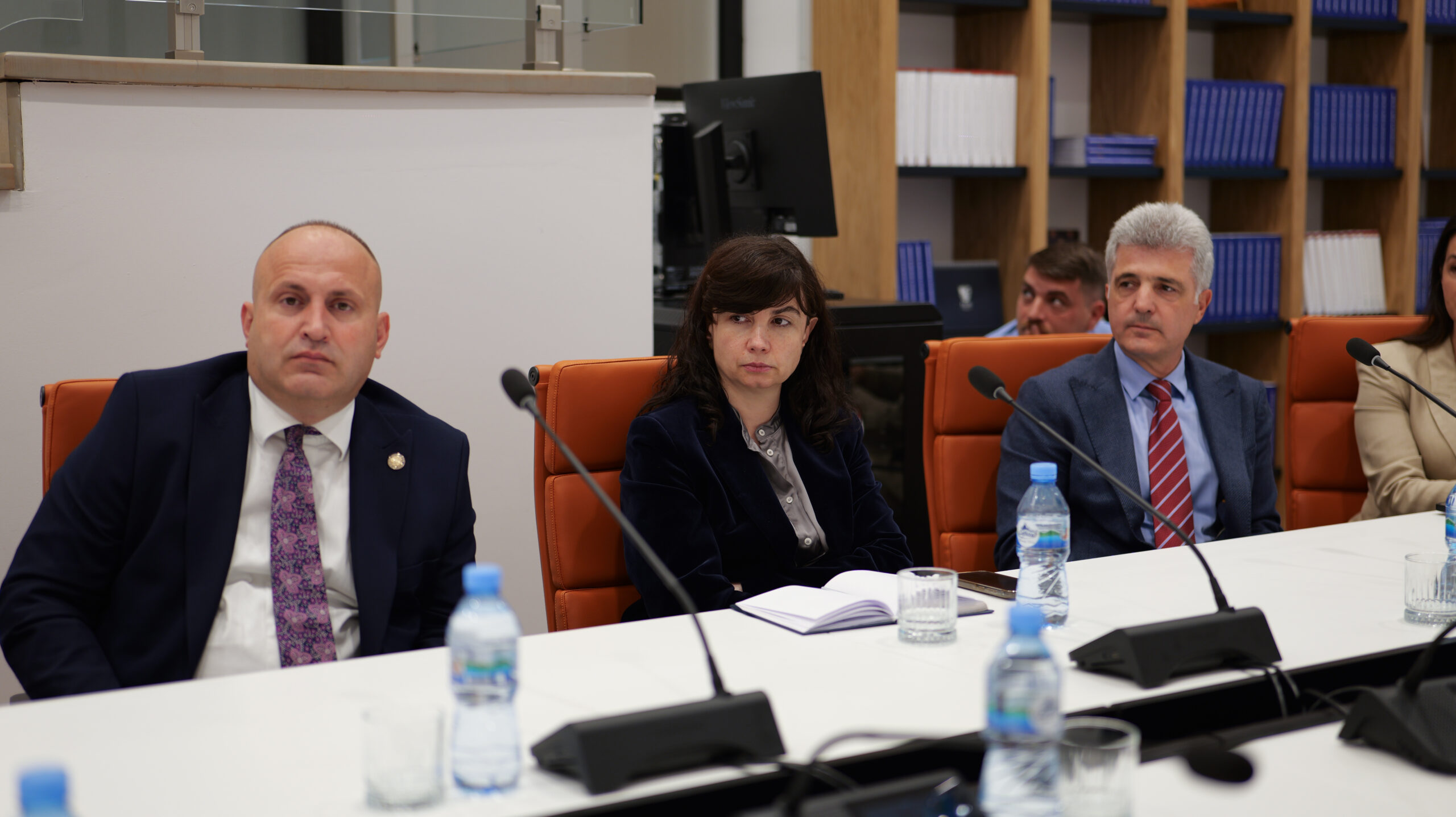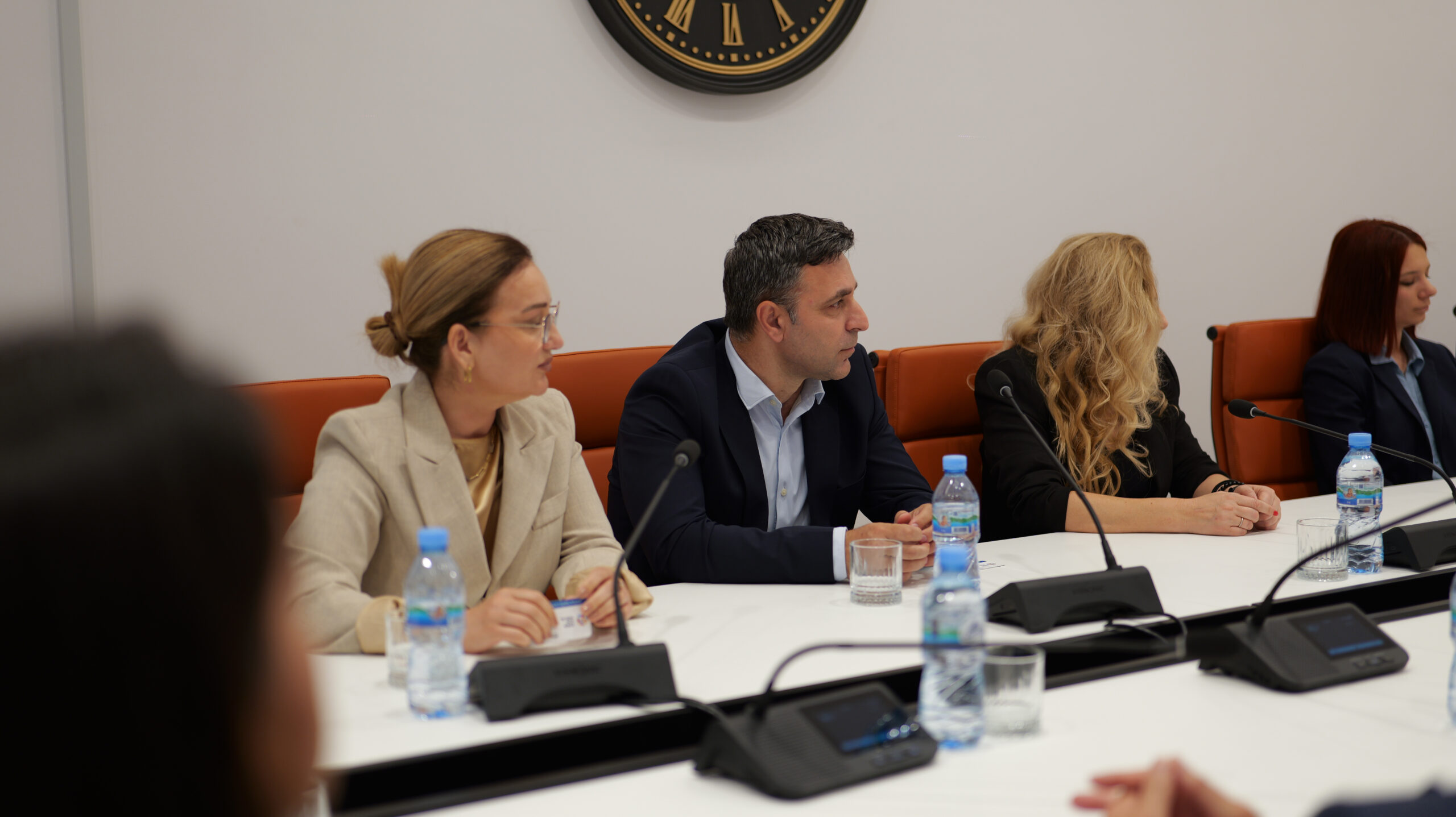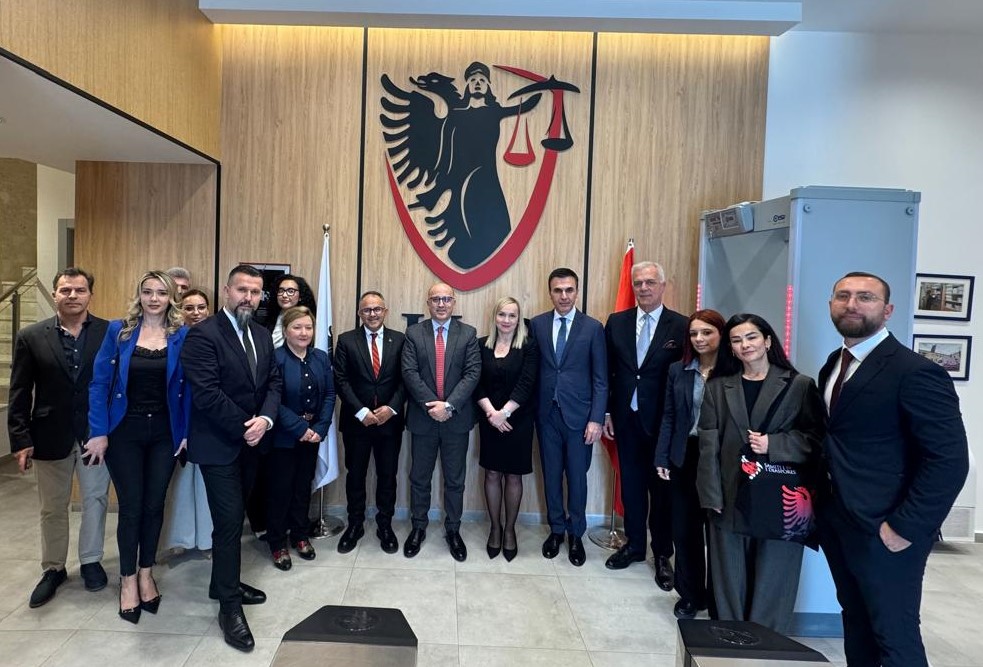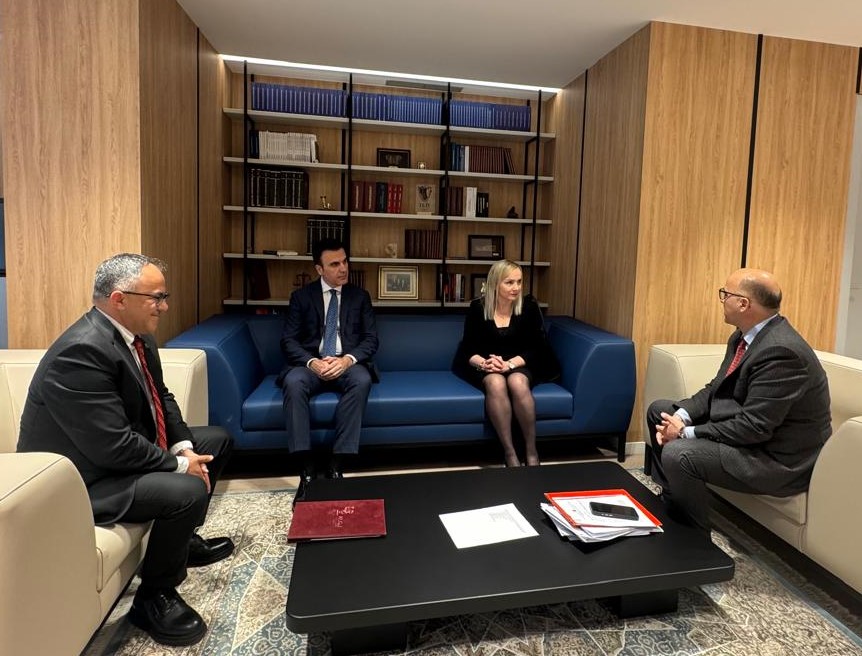
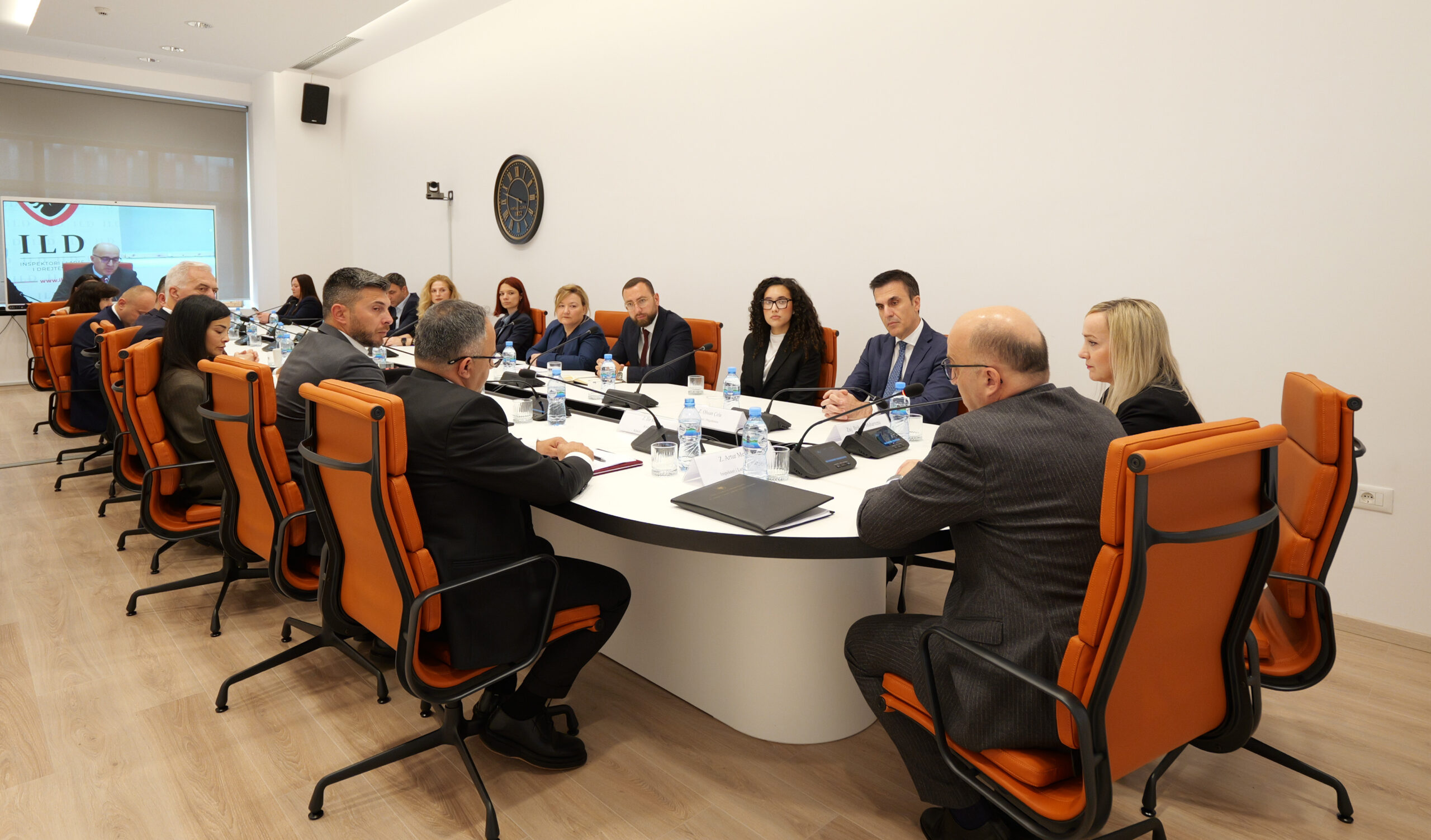
The Albanian-British Lawyers Association (BALA), in cooperation with the High Inspector of Justice, organized a high-level panel discussion with lawyers from the Albanian diaspora, who were in Tirana during the 4th Diaspora Summit.
The meeting, hosted by the High Inspector of Justice, Artur Metani, was also attended by the Chairman of the High Judicial Council, Ilir Rusi, and the Prosecutor General, Olsian Çela.
The discussion, moderated by the Chairwoman of the Albanian-British Lawyers Association, Ms. Brikena Muharremi, focused on the topic “Justice Reform in Albania and the Contribution of the Albanian Diaspora to the Rule of Law,” emphasizing the importance of cooperation between domestic institutions and diaspora expertise in strengthening the justice system.
Welcoming the participants, Mr. Metani stated that institutions have an obligation to give the same level of attention to Albanians living abroad as they do to citizens residing in Albania.
During a brief presentation of the functions of the Office of the High Inspector of Justice, he emphasized that the foundation of the institution’s work is finding the balance between the accountability that magistrates must have for their duties and the respect for their independence. According to him, oversight by the High Inspector of Justice is not a matter of emotions, but a legal obligation. Mr. Metani underlined that it is essential for judges and prosecutors to feel that their work is monitored in a constitutional manner.
The Prosecutor General, Olsian Çela, considered the meeting important, emphasizing that it is essential for professionals from the diaspora to understand the services provided by the prosecution institution and to have a correct perception of its work. He highlighted the profound transformation the system has undergone due to justice reform, noting that public expectations are high, but this remains a long-term and ongoing challenge. As one of the main innovations of the reform, Mr. Çela pointed out that the prosecution system is now fully decentralized and ensures the independence of prosecutors.
Lawyers from the diaspora, coming from the United Kingdom, France, Germany, and Switzerland, expressed interest in concrete opportunities to contribute in Albania.
Mr. Metani referred to the case of the High Inspector of Justice, announcing that two law students living in London will undertake internships at the institution in June, while three other applications are under review. He emphasized that the institution welcomes any contribution, whether through employment in accordance with Albanian legislation or through consultancy or research engagements.
Regarding the concrete contribution of the diaspora, Mr. Rusi stated that the doors of the High Judicial Council are open to professionals in the field in accordance with legal criteria, and even more so for students interested in practical opportunities. He announced that the Council has issued calls for facilitators and trainers for the judicial administration and that, through cooperation with partners such as the European Union, OSCE, and the Council of Europe, anyone interested can become involved.
For his part, Prosecutor General Olsian Çela emphasized that at the negotiation stage Albania is currently in on its path toward European Union membership, any contribution from the Albanian diaspora is welcomed and valuable for achieving this national objective.
In response to questions about increasing public trust, the three institutional leaders stated that high expectations remain a challenge, but efforts are continuous to ensure that decision-making is based not on momentary emotions, but on sustainable, law-based solutions that stand the test of time.
“Justice reform has built a new architecture of the separation of powers, while simultaneously guaranteeing independence and control mechanisms. An important element for public trust is precisely this architecture, where institutions oversee each other. In this sense, the High Inspector of Justice is not an absolute authority, as his decisions can be appealed and reviewed by the Councils. On the other hand, the Councils’ decisions are subject to review by appellate judicial bodies, while the Councils themselves are overseen by the High Inspector of Justice. Thus, the entire structure of the reform is based on the principle of separation of powers, as well as on control and balance among them,” stated the High Inspector of Justice, Artur Metani.